Highgate N6
Painting and decorating in Highgate, N6
Highgate decorating is village-house joinery and slope conversions; listed fabric is checked before a coating is chosen. Addresses sit with . We visit from Unit 3 Palace Court, 250 Finchley Road, London NW3 6DN; we do not quote from photographs.
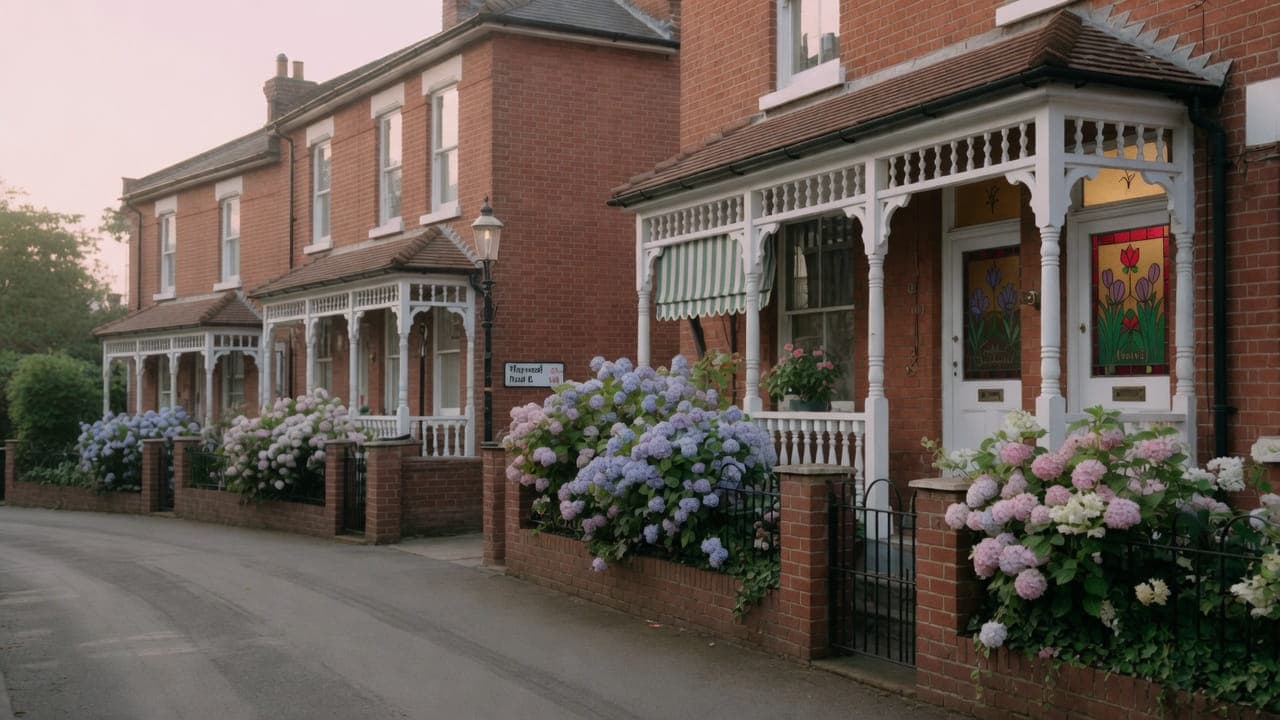
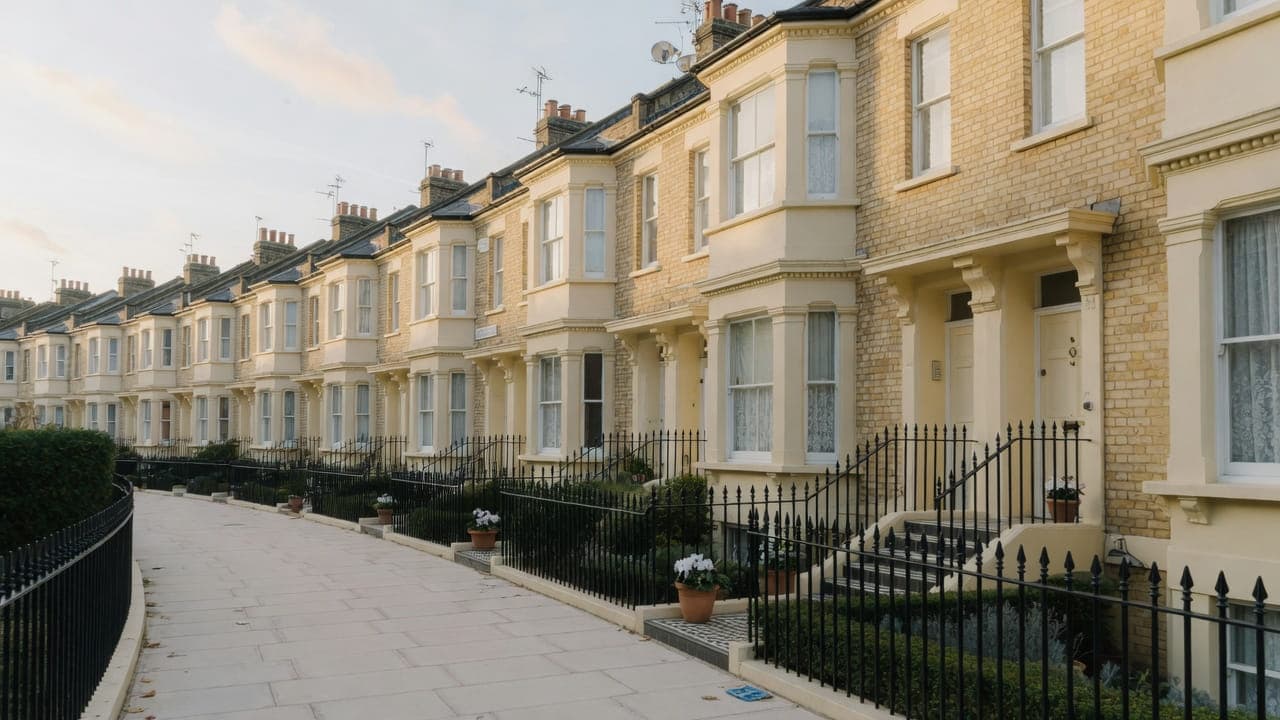
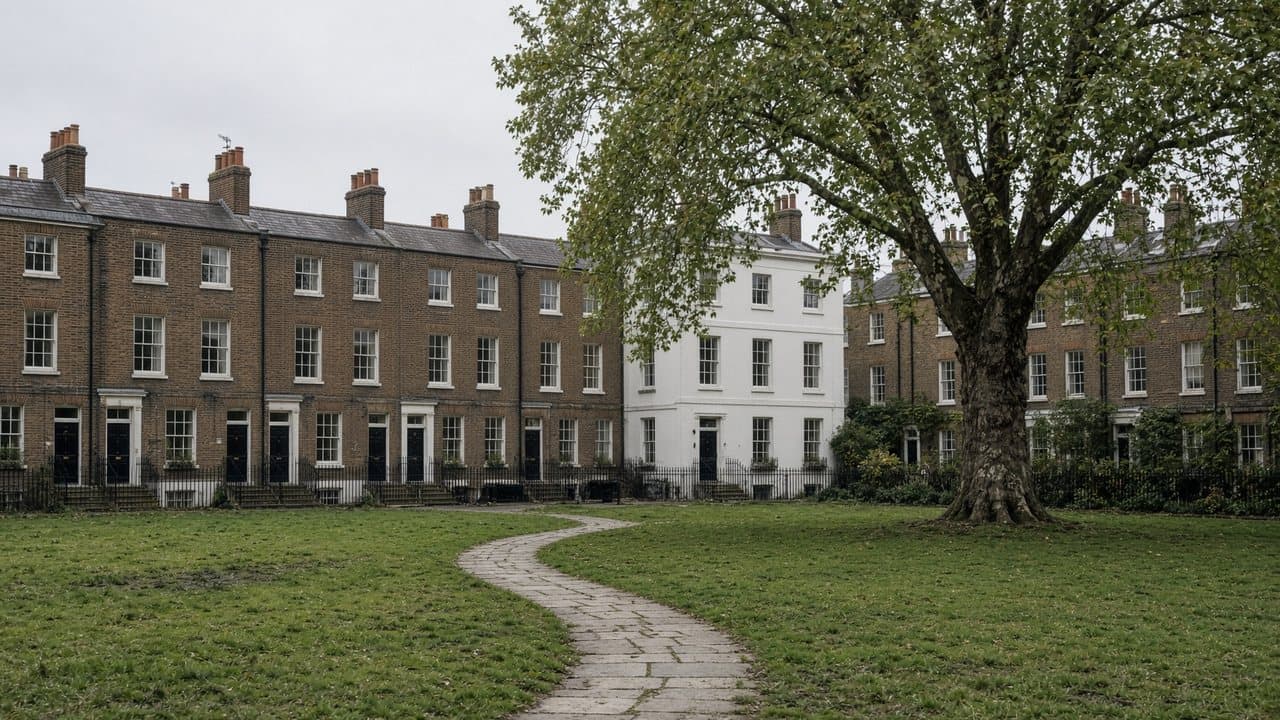
Highgate (N6) is not a single-authority area. Highgate Village sits around Pond Square and Highgate High Street; larger Victorian villas occupy the slopes toward the Heath and Archway. Later streets add Edwardian terraces and some inter-war houses. The Village is finer-grain and more listed. Woods and steep plots affect access and external works more than in the inner NW postcodes.
The decorating fabric changes with that grain. Village interiors need original joinery treated as joinery and, often, lime or mixed plaster behind later coatings. Slope villas have high rooms and a different light. Conversion flats toward Archway are closer to a Camden terrace decorate. Colour is sampled on the wall; Heath-facing rooms and Village north rooms do not read the same sheen.
Hampstead Property Services Group Limited (company no. 17404557) carries out this work in Highgate from Unit 3 Palace Court, 250 Finchley Road, London NW3 6DN.
See also painting and decorating in North West London and kitchens, bathrooms and decorating in Highgate.
Highgate, N6
Who painting and decorating in Highgate is for
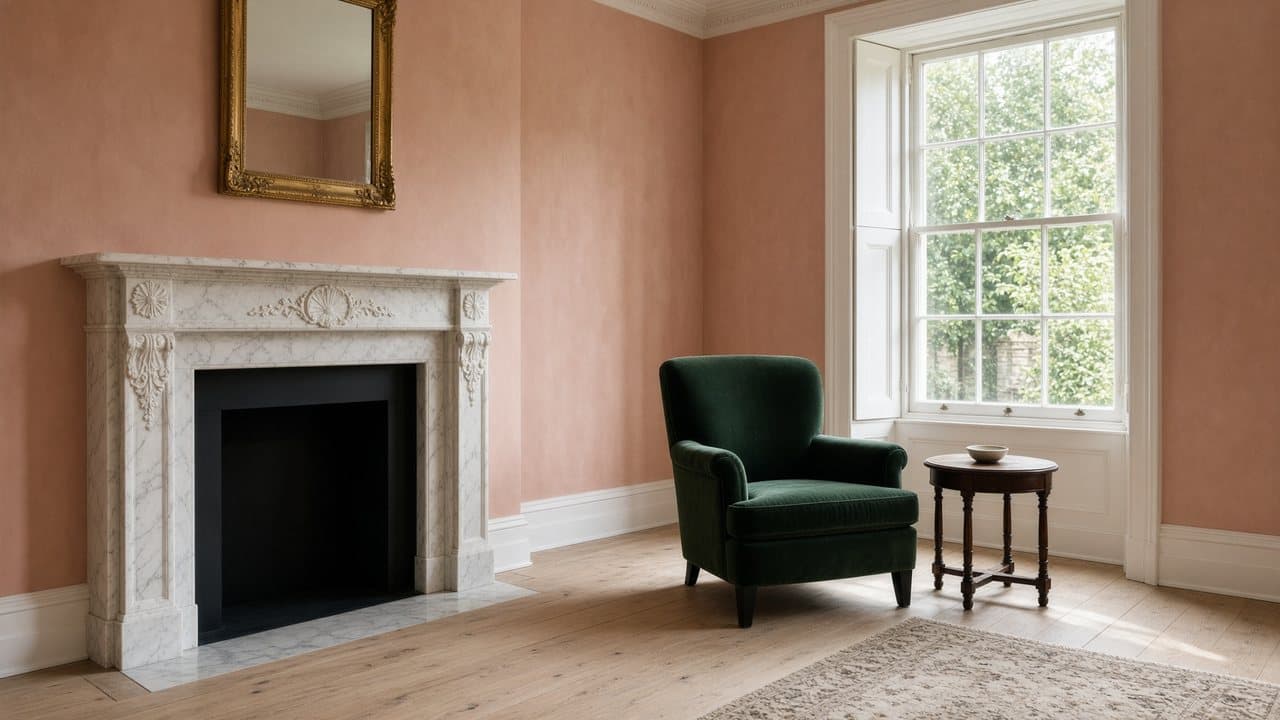
Village rooms are small and joinery-heavy: panelled doors, window linings, a staircase that is more surface than the plan suggests, and lime under later gypsum patches. Slope villas reverse that — fewer, taller rooms and a hall that runs the full height of the house. Toward Archway the plaster is mixed conversion stock. Heath-facing light and Village north rooms do not read the same sheen. We sample on the wall.
Occupied houses, sashes and original joinery in Highgate
Village houses and listed interiors need joinery and coatings treated with the listing in view. Slope villas often have larger principal rooms and original sashes priced as joinery. Conversion flats toward Archway show mixed plaster and lining that has been over-painted. Occupied sequencing is ordinary. Lining paper is specified where movement would telegraph through paint. Heath-facing elevations are not a place to trial a new external colour without checking.
What a visit settles before decorating starts in Highgate
A visit is a measuring exercise, not a sales call. These are the things we settle in Highgate before a figure is written.
01
What survives in a Village interior
Around Pond Square and the High Street the stock is finer-grained and more heavily listed, and interiors can retain original panelling, joinery and plasterwork. We identify what is original and what is later, because preparing original fabric is a different exercise from preparing a 1980s replacement.02
Light filtered by trees
Rooms overlooking woodland, Waterlow Park or Highgate Wood receive green filtered light for much of the year, which flatters warm colours and kills cool ones. We look at colour in the room across a day rather than under a work lamp, because this is one of the few places where the light genuinely changes the answer.03
Exposure, and what it does to external work
The hill is exposed and elevations here take more weather than the sheltered streets lower down. Where external decoration is in scope, we assess the substrate for that exposure and are honest about the interval before it will want attention again.04
How the crew gets there daily
Steep roads, limited turning and Village pedestrian traffic make parking for a crew arriving every morning a genuine programme item rather than a detail. We establish where a vehicle can stand and build it into the plan.
What has to be right before decorating in Highgate
01
Lime under later patches in the Village
Village walls are often lime behind later gypsum. An old oil-bound coating may still be sound, or it may lift under a wash. We test small areas rather than guess, and we will not put a modern film over lime that needs to breathe. Where a coating cannot be made to hold, the remedy is priced separately.02
A villa stairwell on the Heath slope
Slope villas give a hall that runs the full height of the house. Access equipment, the vehicle that can take the gradient, and how much material comes at once are decided before a room is opened. Village lanes are tighter still. A ladder across a flight is not a working platform.
Local facts that shape decorating in Highgate
Checkable facts that shape painting and decorating in Highgate N6 — housing, council and the room as found.
- 01Highgate decorating follows the house and the council: Village joinery, villa rooms, a slope, and more than one authority.
- 02Highgate Conservation Area was designated on 21 December 1967 and is split between Camden and Haringey.
- 03Listing is concentrated in the Village around Pond Square.
- 04External colour on a Village elevation is a consent question, not a weekend extra.
- 05Trees can constrain a scaffold even when the decorate is internal.
- 06The skip licence follows the borough on the address.
Painters and decorators in Highgate: prep, conservation and occupied homes
Skip and scaffolding licences are issued by the borough the address sits in — Camden, Haringey or, on some streets, Islington. We confirm it from the address, not from the neighbourhood name. Village lanes are tight. Steep roads decide the van.
- Highgate Village and Pond Square
- Highgate Cemetery
- Waterlow Park
- Highgate Wood
How decorating is specified in Highgate
Survey records the authority, the conservation designation, listing, access, and the substrate in each room. Lime and gypsum are not treated as the same wall. Prep standard, coats and sheen are written. Colour is sampled on the wall in the light the room has — Village, slope or later street.
Coatings, sheens and joinery systems in Highgate
In a listed Village interior the specification is conservative and reversible where it can be. Breathable systems where the substrate calls for them, preparation that takes off failed material without taking off original surface, and coatings chosen so a future owner can take them back if they want to. Where original panelling or joinery is in scope, we say clearly what will be prepared, what will be left alone, and why.
The green filtered light here is the single most useful thing to know about colour in Highgate. Cool greys that look crisp in a showroom frequently read as dead in a room overlooking trees, while warmer tones hold their character through the seasons. We paint large samples on the wall and look at them in both summer and the room's winter condition where the programme allows, because the same room is genuinely two different rooms across the year.
External work on an exposed hill needs a system chosen for weather rather than for appearance alone. Previously painted joinery and masonry take a system that suits the substrate and the exposure, and we are honest at the outset about how long it will look right in this position compared with a sheltered street. A decorate that has to be repeated in three years is not a saving.
What a typical decorating instruction includes
A Village house gives us small rooms with a lot of joinery in them: panelled doors, window linings, a staircase that is more surface than the plan suggests. On the slope the villas reverse that — fewer, taller rooms and a hall that runs the full height of the house. In both, what is behind the last coat decides the specification, because Village walls are often lime under later gypsum patches.
The full inclusion list is on the painting and decorating in North West London page.
How a decorating programme runs
Visit, written proposal, then the rooms in order. In Highgate that order has to absorb village joinery and process. We do not start from photographs.
- 01
Survey and specification
- 02
Programme for an occupied home
- 03
Preparation
- 04
Decoration
- 05
Joinery and details
- 06
Snag and clean
A Highgate decorating programme, stage by stage
The steps above are the method. Below is what those steps mean in Highgate N6, in the order they happen on site. Durations are written after the room is measured, not before.
- 01
Authority and consent established
Which council, and whether the building is listed or in a conservation area, settled before external work is planned. Interior decoration within existing rooms is a separate instruction and is not held up by it. - 02
Protection, including original fabric
Floors, stairs and anything original in or near the room are protected before work starts. In a Village house that protection is more thorough rather than less, and it stays for the duration. - 03
Preparation matched to the fabric
Washing down, removing failed material without removing original surface, filling and sanding with dust extracted at the tool. Where a coating is historically significant or unusual, we stop and discuss rather than stripping it. - 04
Coats, with weather and drying allowed
Interior work proceeds with drying respected; external work is weather-dependent and the programme says so honestly rather than promising dates the hill will not deliver. - 05
Reinstatement and daylight inspection
Rooms restored one at a time, then inspected with you in daylight. Where original fabric was worked around, we show you how it has come through.
What moves the figure on a Highgate decorate
We do not publish a price list, and we do not price from photographs. These are the things that move the figure in Highgate.
01
Working around original fabric
Where panelling, plasterwork or original joinery must be prepared carefully rather than aggressively, the work is slower and the judgement finer. That is proper practice in a listed Village house and it is priced as such rather than rushed.02
Whether external work is in scope
External decoration on an exposed hill brings access equipment, weather dependency, tree constraints and a consent position. It is quoted separately from interior work so the two can be decided independently.03
Ceiling heights and access
Villas on the slopes have generous rooms and correspondingly more wall and more work from platforms. It is priced openly rather than folded into a rate, and it changes the sequence because overhead work comes first.04
Daily access up a hill
A crew that cannot park within reasonable distance loses time every morning and every evening across a programme measured in weeks. It is a modest line and a real one, established at the survey.
Staying in the house while Highgate rooms are decorated
Highgate houses are generally large enough to decorate around a household comfortably. We work one room at a time, restore each before opening the next, and keep a kitchen, a bathroom and a bedroom usable throughout. Village houses are tighter and a listed interior needs more protection, which makes the working area smaller and the covered area larger — we show you what that will look like at the survey.
Neighbours here are mostly in their own houses, so the noise question is about sound carrying across quiet wooded streets rather than through a party wall. Sanding is the loud part and it travels further than people expect on a still day. We name those dates, keep to the hours of whichever council applies, and avoid starting early on a residential slope where every house has a bedroom at the front.
How decorating in Highgate disappoints, and what prevents it
The colour mistake that recurs in Highgate is choosing cool greys for a room that looks onto trees. Green filtered light for much of the year drains them of character in a way no colour card predicts, and a scheme that looked crisp in a showroom reads dead on the wall. It is one of the few places where we would insist on large samples in situ, looked at across a day, before a whole house is committed to a palette.
The second is stripping historic material aggressively. In a listed Village interior, removing a coating that may be original or significant, or taking a surface back too far, is not a decorating decision to make on site. Failed material comes off; anything unusual is stopped and discussed. A decorator who strips first and asks afterwards can do damage that no amount of repainting recovers.
The third is applying an external system chosen for looks rather than for exposure. These elevations take more weather than the sheltered streets below, and a coating specified without regard to that will want redoing far sooner than you were told. We specify for the position and give an honest view of the interval, because a decorate repeated in three years is not a saving.
Handover, touch-in and the year after in Highgate
The walk round is in daylight and includes the fabric we worked around: where original panelling, joinery or plasterwork was in the room, we show you how it has come through and what was and was not touched. The snag list is ours and touch-in is done at that visit. You receive a record of systems, sheens and colour references per room. Hampstead Property Services Group Limited is fully insured.
Older Highgate houses move seasonally more than most, partly from exposure and partly from the ground, and a hairline at a cornice or an architrave after the first winter is the building rather than the work. External decoration on this hill also earns a look after its first proper winter. We come back for both in one visit. Telephone 020 7101 3168 or write to office@hpsg.co.uk.
Arrange a visit or telephone 020 7101 3168.
Painting and decorating questions in Highgate
We do not publish a price list for painting and decorating in Highgate. Highgate decorating is village-house joinery and slope conversions; listed fabric is checked before a coating is chosen. Addresses sit with. We visit from Unit 3 Palace Court, 250 Finchley Road, London NW3 6DN, then write a proposal against a defined scope. 020 7101 3168.
Internal painting and decorating within existing rooms in Highgate N6 often does not need planning permission. still controls extract, windows and elevations where conservation, listing or Article 4 apply. We check the address. We do not assume permitted development.
A Highgate flat can be a matter of days or a small number of weeks depending on prep. A family house, occupied, takes longer because we work around you. Village joinery in Highgate N6 shape the programme. The written programme follows the survey.
Occupied decorating in Highgate is ordinary. Rooms are sequenced so a kitchen, a bathroom and a bedroom stay usable where the programme allows. We will say so plainly at survey.
Camden, Haringey or Islington depending on the street. We confirm it from the address.
That is the normal position in an older Village interior. We test small areas rather than guess: whether the surface is lime or gypsum, whether an old oil-bound coating is still sound, whether a wash will lift. The result goes into the written prep specification before any product is ordered. Where a coating cannot be made to hold, we say so and price the remedy separately.
Yes. Occupied sequencing is ordinary in Village houses and on the slope. Daily rooms stay open while the rest is coated. Steep streets and Village lanes already stretch deliveries; emptying the house is not the working assumption.
Empty rooms, where access and masking allow. Occupied original joinery in a listed or lime-plastered Village room is brush and roller. Spray is a method, not a neighbourhood slogan, and Village lanes are a poor place to stage it.
Where movement in mixed Village plaster, or in conversion patches toward Archway, would show through a finish, lining is a specified item. Lime and gypsum on the same plane are two backgrounds. We will not add it once the stairwell tower is already standing.
Yes. Interior decoration within existing rooms is ordinary work in a listed house and it is a good deal of what we do in the Village. What changes is the care: failed material is removed without taking off original surface, original panelling and plasterwork are prepared rather than stripped aggressively, and anything unusual is discussed before it is disturbed. Where a coating might be historically significant, we stop and ask rather than deciding for you.
Almost certainly the trees. Rooms overlooking woodland, Waterlow Park or Highgate Wood receive green filtered light for much of the year, and it drains cool greys of their character in a way no colour card predicts. Warmer tones hold up far better. It is one of the few places where we would strongly recommend painting large samples on the wall and living with them for a few days before committing to a whole house.
More often than on a sheltered street lower down, and we would rather say so than let you find out. The hill is exposed and elevations take more weather, which shortens the interval for any external coating. We specify a system chosen for that exposure rather than for appearance alone, and we give an honest view of the interval at the survey. A decorate that has to be repeated in three years is not a saving.
Yes, though it takes more planning than a villa on the slopes because the rooms are tighter and a listed interior needs a larger protected area. We work one room at a time, restore each before opening the next, and keep a kitchen, a bathroom and somewhere to sleep usable throughout. We show you at the survey what the protected area will actually look like, so the first morning is not a surprise.
Anything that alters the building rather than decorates it. Interior decoration within existing rooms is ordinary work and it is much of what we do in the Village. What we would not do without proper consent is strip a coating that may be historically significant, alter original joinery or plasterwork, or change anything visible externally. Where a surface is unusual, we stop and ask rather than deciding for you.
Interiors, yes, with drying planned for a house that is heated and rarely ventilated. Exteriors, only within the weather window the coating manufacturer specifies, and on an exposed hill that window is narrower than the calendar suggests. We would rather hold external work than apply a system in conditions that will compromise it, and we say that at the survey rather than in the middle of a job.