North West London
Painting and decorating in North West London
Painting and decorating in North West London is mostly preparation. Lime and gypsum backgrounds, original joinery, previous coatings of unknown type, and hairline movement in converted houses will telegraph through any finish that is applied too soon. The work is washing down, filling, lining where it is needed, and a coating system that suits the substrate — not a quick refresh with a fashionable colour.
Hampstead Property Services Group paints and decorates occupied houses and flats as well as empty ones, from a Finchley Road office. Dust control, room sequencing and a written prep specification matter more here than in a vacant new-build. A family still living in a West Hampstead terrace, or a mansion-flat owner in St John's Wood who cannot decant, is a normal brief.
Heritage interiors in Hampstead, Belsize Park, Primrose Hill and Highgate — picture rails, shutters, sash windows, original doors — are joinery as much as they are painting. They are programmed and priced as such. Spray is used where it is the cleaner method for an empty room; brush and roller remain the default around furnished, original fabric.
We do not sell a house style. Colour is sampled on the wall, in the light the room actually has. A north-facing Hampstead drawing room and a west-facing Maida Vale mansion flat do not read the same emulsion in the same way. Heritage colours are taken from established generic ranges; we do not claim an exclusive palette or manufacturer relationship.
Failed plaster, rising damp and timber decay are not decorating items. We isolate the cause and, where it sits inside a light refurbishment, include the repair rather than paint over it. Exterior colour on a conservation-area or listed elevation, and any new outside colour in Hampstead Garden Suburb, is checked before it is quoted.
Hampstead Property Services Group Limited (company no. 17404557) decorates period interiors from Unit 3 Palace Court, 250 Finchley Road, London NW3 6DN. Telephone 020 7101 3168.
Who painting and decorating in North West London is for
The work is for owner-occupiers and landlords who want the plaster and the joinery treated properly: whole-house decoration, a floor of a conversion, a mansion-flat reception, common-parts making-good after other trades, or exterior painting of previously painted windows and joinery where access and weather allow.
Occupied-home working is planned room by room so a kitchen, a bathroom and a bedroom remain usable. In mansion blocks we also follow the building's hours. We will not run spray equipment in a furnished flat as a default method.
Making-good after kitchens, bathrooms and flooring is part of a light-refurbishment programme. Decorating is then the last trade, not the first. We will not paint a room that a plumber still has to open.
Facts that shape painting and decorating in North West London
Checkable facts — office, councils, conservation dates and the housing stock — not a brochure.
- 01Hampstead Property Services Group Limited (company no. 17404557) decorates period interiors from Unit 3 Palace Court, 250 Finchley Road, London NW3 6DN.
- 02Lime plaster, gypsum patches and previous coatings of unknown type are the ordinary Hampstead, Belsize Park and Highgate Village substrates — they are not treated as the same wall.
- 03Occupied-home sequencing is the default: a kitchen, a bathroom and a bedroom are kept usable where the programme allows.
- 04Camden's Article 4 direction in Primrose Hill has applied since 3 March 1983 and controls windows and elevations, not interior emulsion.
- 05In Hampstead Garden Suburb, internal decoration that does not change the elevation is ordinary work; a new outside colour needs Trust consent and often Barnet planning.
- 06Muswell Hill Conservation Area and Fortis Green Conservation Area were both designated by Haringey on 1 March 1974.
- 07Sash windows, shutters, picture rails and original doors are programmed as joinery. Failed cords, staff beads or putty are not a paint item.
- 08Spray is specified per room. Empty rooms can take it; furnished mansion flats in St John's Wood and Maida Vale usually take brush and roller.
- 09Common parts of a conversion or a mansion block are a separate instruction unless the freeholder is the client.
- 10West Hampstead has three stations on West End Lane — Underground, Overground and Thameslink — so decorating deliveries are planned off the high street.
What has to be right before the colour
Painting in this housing stock fails from the substrate, the joinery and the sequence — not from the choice of emulsion.
01
Preparation
Washing down, filling, lining and rubbing down take the majority of the time. A cheap paint on unprepared walls is not the work. Prep standard, number of coats and sheen are written down. That is what we snag against.02
The substrate
Lime, gypsum, previous coatings of unknown type, and hairline movement in conversions will telegraph through a finish applied too soon. Failed plaster, damp and timber decay are isolated, not painted over.03
Joinery
Sashes, shutters, picture rails and original doors are programmed as joinery, not as a cut-in. Conservation-area and listed windows often need more than a coat of paint. If cords, staff beads or putty have failed, we say so before we start.04
The household
Occupied houses and flats are sequenced so you keep a kitchen, a bathroom and a bedroom. Spray is for empty rooms. In a furnished period interior, brush and roller remain the default. Mansion blocks add their own hours.
Typical interiors we decorate
Period drawing rooms, sashes and shutters, mansion-flat receptions, occupied conversions and conservation joinery — each written to the building it sits in.
Period drawing rooms
Hampstead, Belsize Park, Primrose Hill and Highgate interiors with cornicing, picture rails and lime plaster. Colour is sampled on the wall in the light the room has. A thin fill will show. High ceilings are access as well as decoration.
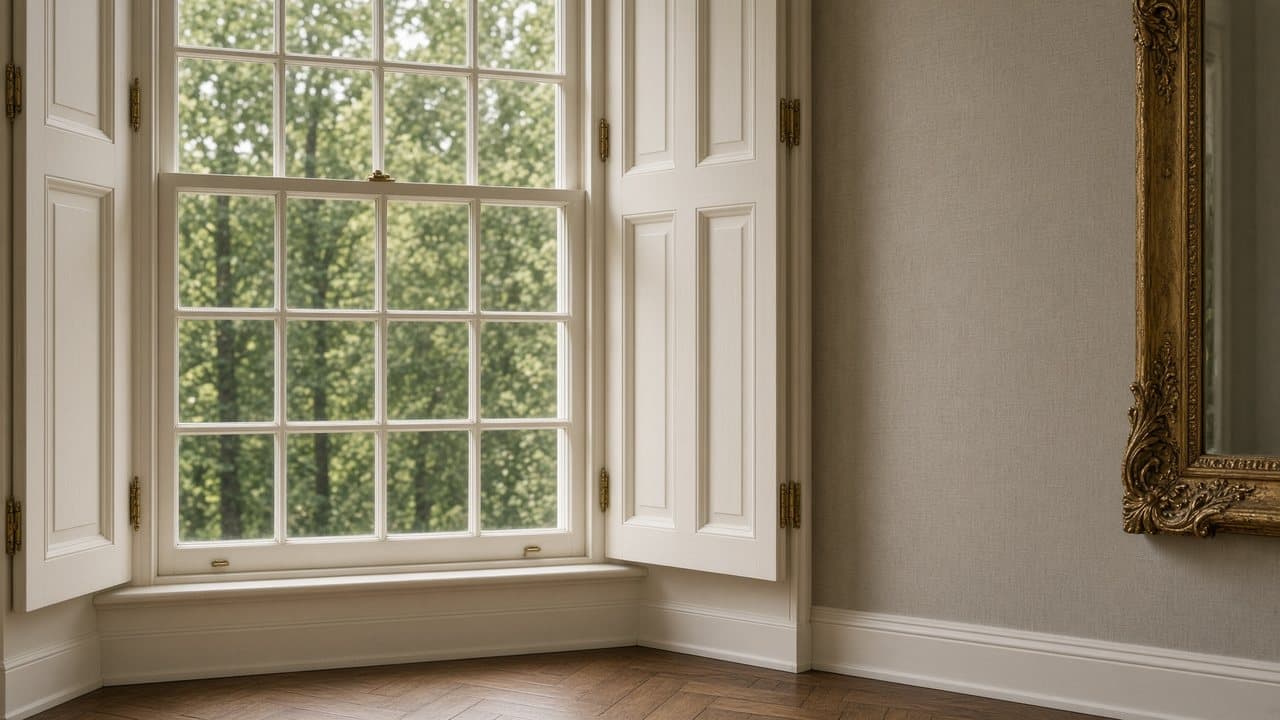
Sashes, shutters and joinery
Box frames, staff beads and original doors need more than a cut-in. Conservation-area and listed windows are checked before they are quoted. If the timber or the cords have failed, that is joinery, not a coat of paint.
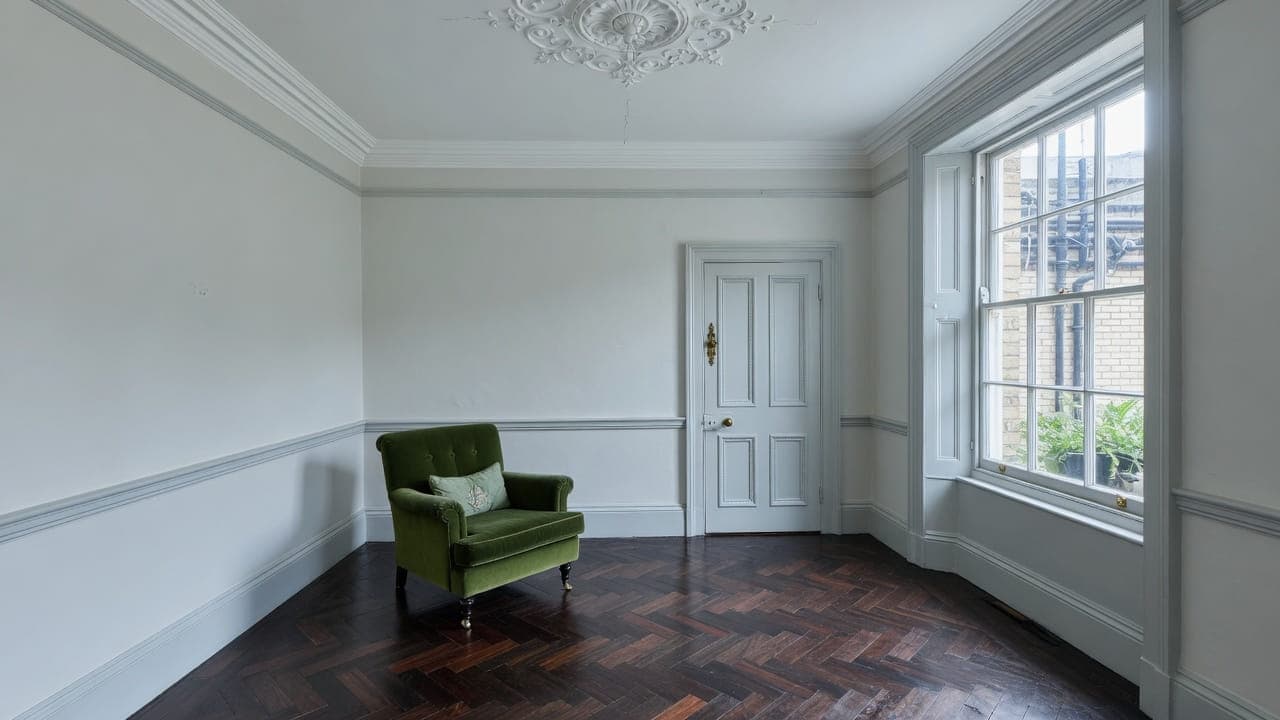
Mansion-flat interiors
St John's Wood, Maida Vale and Swiss Cottage receptions: high rooms, original doors, common parts that are a separate scope from the demise. Working hours are the building's. Spray is not the default in a furnished flat.
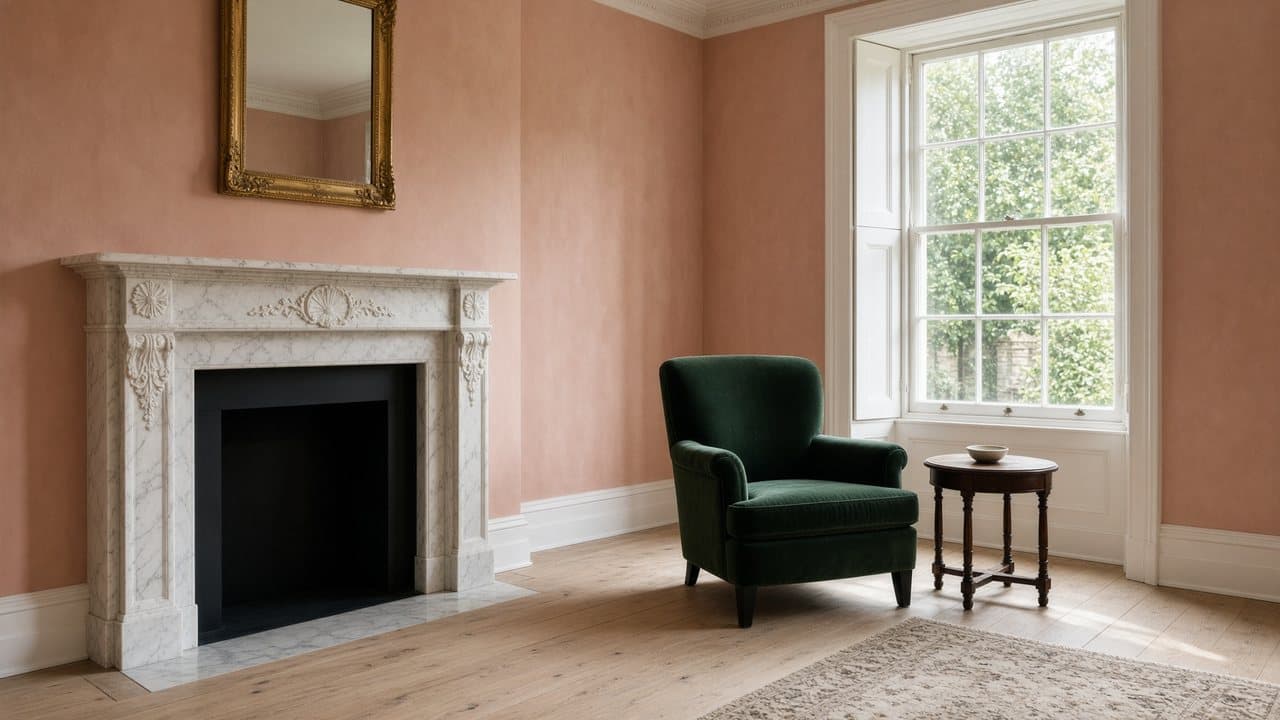
Empty period rooms
A vacant house or a cleared floor is where spray can be the cleaner method. Prep is still the majority of the time. We will not undercoat over defects we have not addressed.
Occupied conversions
West Hampstead, Kentish Town and Kilburn terraces where the household stays. Rooms are sequenced. Furniture is moved or covered by agreement, not as an afterthought on the first morning.
Conservation exteriors and the Suburb
Previously painted windows, doors and joinery where access and weather allow. A new outside colour in a conservation area or under the Suburb Trust is not assumed. Internal decoration that does not change the elevation is ordinary work.
Occupied houses, conversions and mansion flats in North West London
Painting and decorating in period interiors
Hampstead, Belsize Park, Primrose Hill, Muswell Hill and Golders Green interiors are lime plaster, original sashes and rooms that telegraph a thin fill. Colour is sampled on the wall in the light the room has. Sashes, shutters and picture rails are programmed as joinery, not as a cut-in.
Painting occupied conversions and mansion flats
West Hampstead, Kentish Town, Kilburn, Queen's Park, St John's Wood and Maida Vale are often occupied. We sequence rooms so a kitchen, a bathroom and a bedroom remain usable. Mansion common parts are a separate scope from the demise. Spray is not the default in a furnished flat.
Painting in conservation areas and the Suburb
External colour on a conservation-area or listed elevation is checked before it is quoted. In Hampstead Garden Suburb, internal decoration that does not change the elevation is ordinary work; a new outside colour is not. Highgate Village listing is checked on the address.
Conservation, joinery and occupied homes
Failed plaster, rising damp and timber decay are not decorating items. We isolate the cause rather than paint over it. Where the repair sits inside a light refurbishment, it is written into the proposal.
Occupied-home working is planned room by room. In mansion blocks we also follow the building's hours. Common parts are a separate scope from the demise.
What a typical decorating instruction includes
The list is the core of a typical instruction. The written proposal after survey is the contract scope.
- Room-by-room survey of substrates, previous coatings, damp staining and joinery condition
- Protection of floors, furniture and common parts; dust control in occupied homes
- Washing down, filling, caulking and rubbing down to a specified prep standard
- Lining paper or jointing where plaster movement would telegraph through paint
- Painting of walls, ceilings and joinery in a system suited to the substrate
- Heritage colour matching from generic ranges — we do not claim a unique palette partnership
- Spray or brush/roller application chosen for the room, the sheen and the level of disruption
- Staining, oiling or painting of internal joinery, including sash-window staff beads where in scope
- Exterior painting of windows, doors and previously painted masonry where access and weather allow
- Making-good after other trades on a light-refurbishment programme
- Final clean and a snagging pass in natural and artificial light
How a decorating programme runs
01
Survey and specification
We look at the plaster, the joinery and the previous coating, then write a prep specification. Samples are painted on the wall. A cheap paint on unprepared walls is not the work.02
Programme for an occupied home
Rooms are sequenced so you can keep a kitchen, a bathroom and a bedroom. Furniture is moved or covered by agreement, not as an afterthought on the first morning. In mansion blocks we follow the building's hours.03
Preparation
Washing down, filling, lining, knotting, priming and rubbing down take the majority of the time. We will not undercoat over defects we have not addressed. Failed plaster and damp are isolated, not painted over.04
Decoration
Coatings go on to the agreed sheen. Spray is used where it is faster and cleaner for large, empty rooms; brush and roller remain the default in occupied, furnished spaces.05
Joinery and details
Sash windows, shutters, picture rails and original doors need more care than plasterboard. Those items are priced and programmed as joinery, not as a quick cut-in.06
Snag and clean
We inspect in daylight and with lights on, touch in, and leave the house clean. Outstanding items are listed.
How decorating is specified in North West London
Prep standard, product type, number of coats and sheen are written down. That is what we snag against, in daylight and with the lights on. Heritage colours are taken from established generic ranges; we do not claim an exclusive palette or manufacturer relationship. Samples are painted on the wall.
Spray is specified per room, not as a house rule. Empty, large rooms can take it. Furnished period interiors usually cannot. Making-good after kitchens, bathrooms and flooring is part of a light-refurbishment programme; decorating is then the last trade, not the first.
What painting and decorating in North West London costs
We do not publish a price list for painting and decorating in North West London. A Hampstead drawing room with original joinery, an occupied West Hampstead conversion and a Maida Vale mansion flat are different jobs. Substrate, ceiling height, sash repair and whether the house stays occupied change the figure more than the colour does.
The written proposal after a visit is the price. It is set against a prep specification: washing down, filling, lining where movement would telegraph, coats, sheen and joinery treated as joinery. Samples are painted on the wall. We do not quote a refresh from a chart. Telephone 020 7101 3168.
Painting and decorating neighbourhoods in North West London
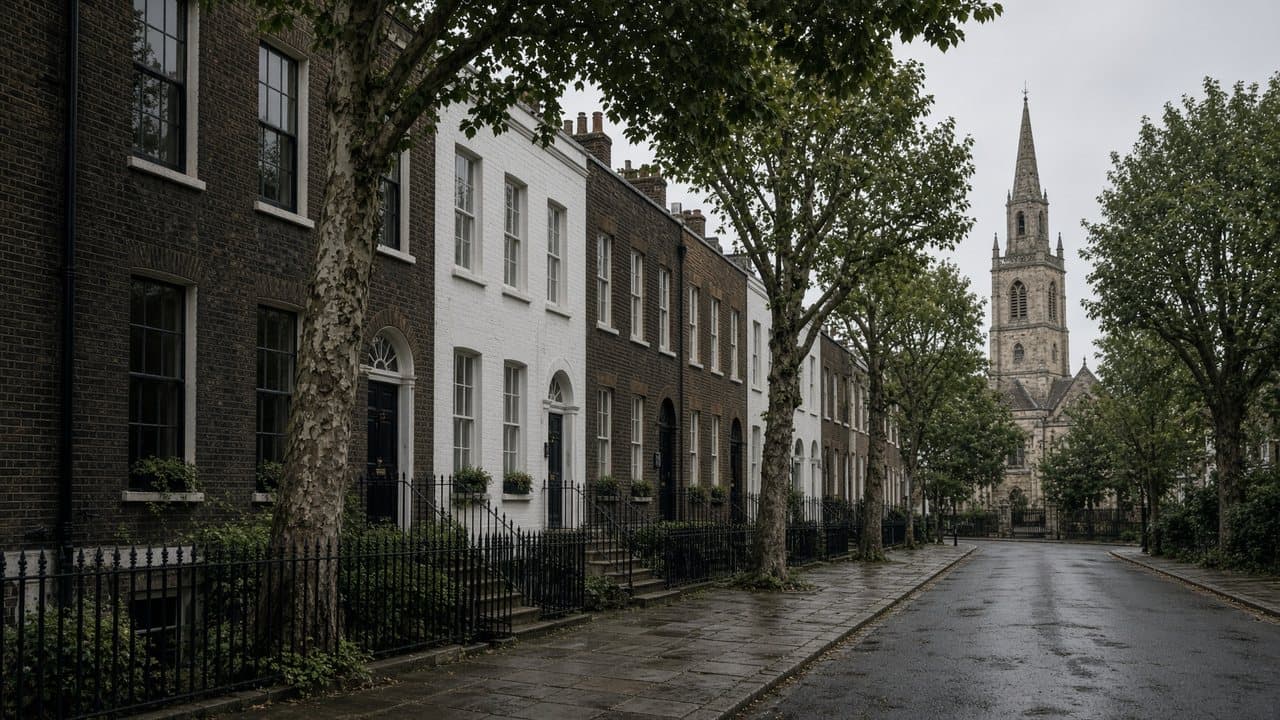
Local painting and decorating pages for Hampstead, West Hampstead, Belsize Park, St John's Wood, Maida Vale, Highgate, the Suburb and the wider North West London list sit below. Each is written for that housing stock and conservation designation. Where a group painting microsite already exists for an area, the area hub will link out instead of duplicating that page.
Hampstead
NW3
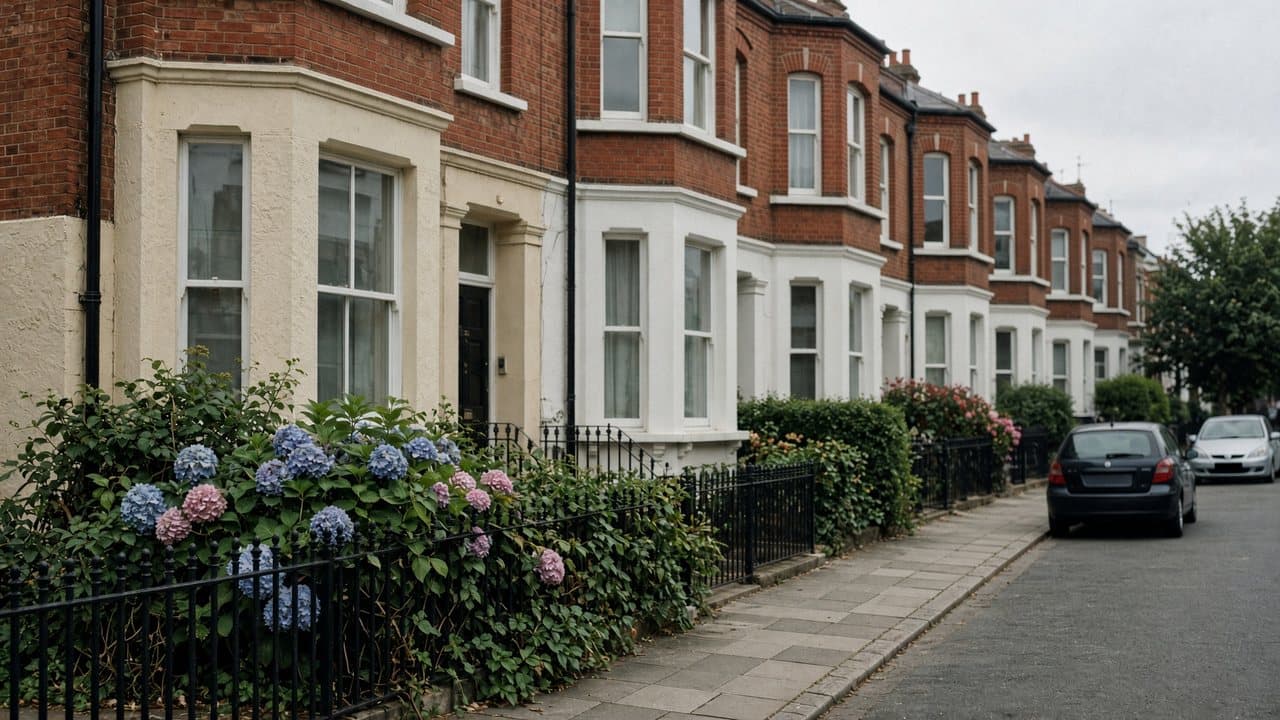
West Hampstead
NW6
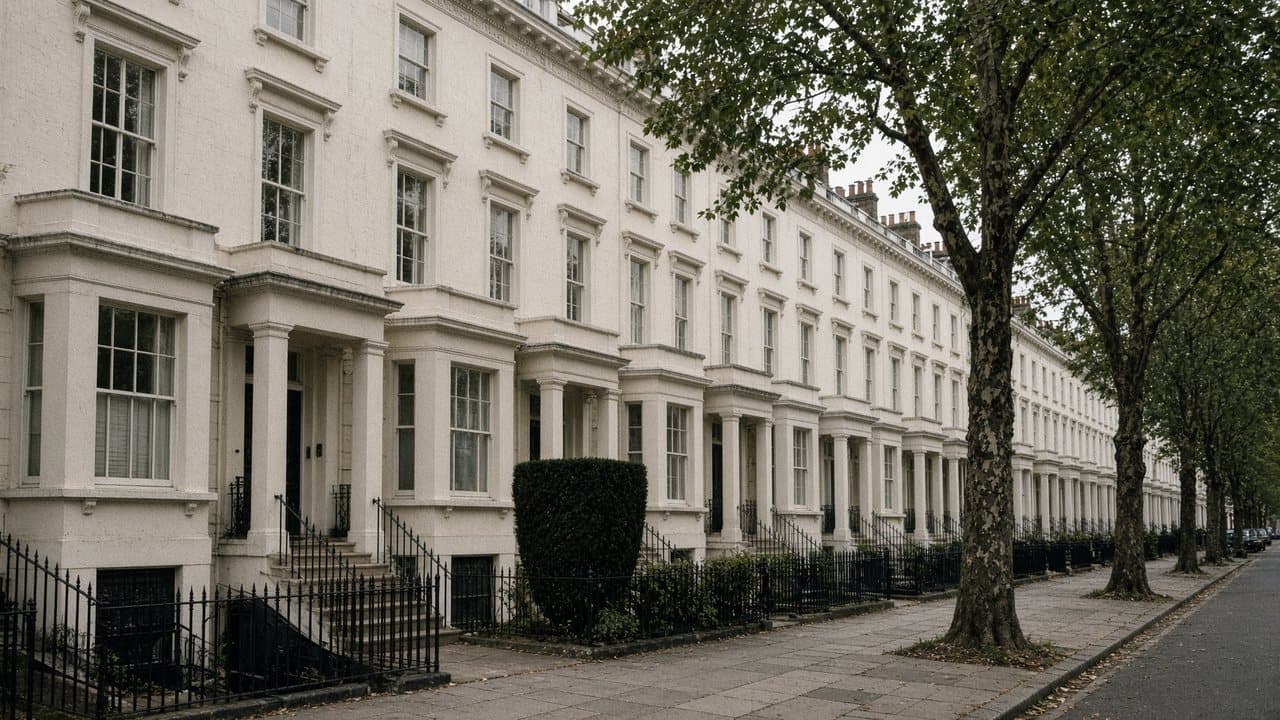
Belsize Park
NW3
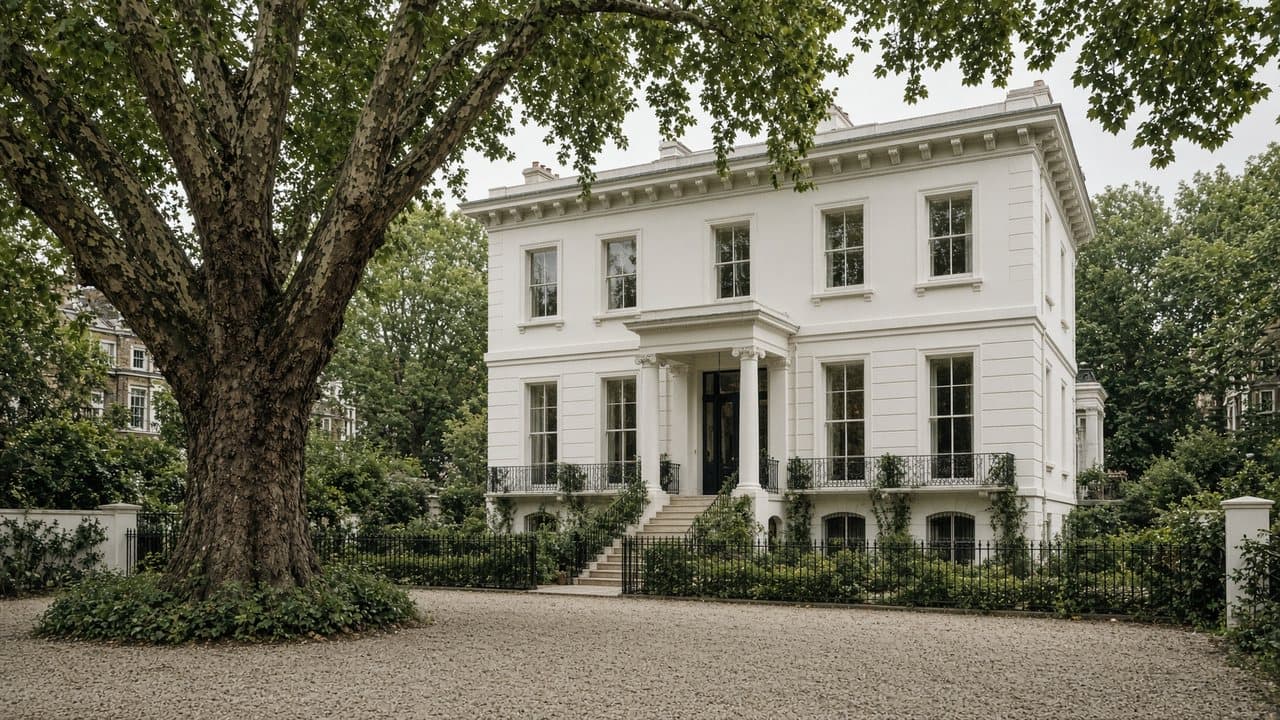
St John's Wood
NW8
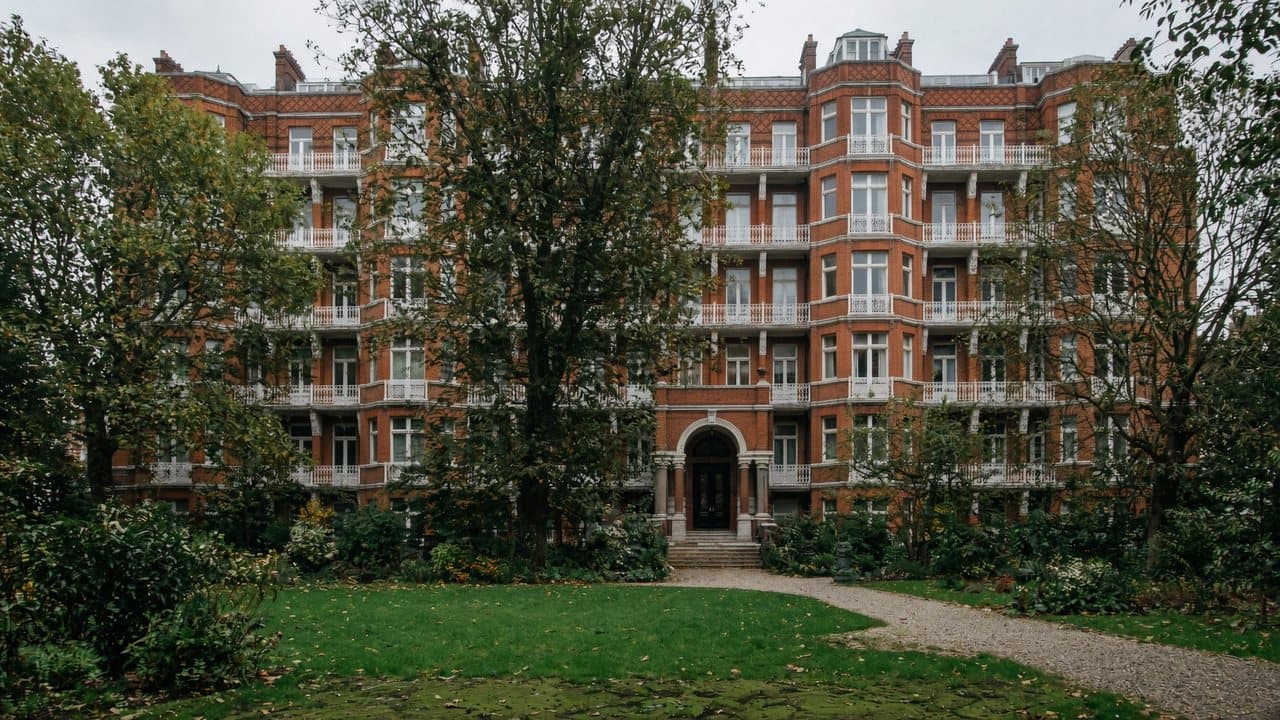
Maida Vale
W9
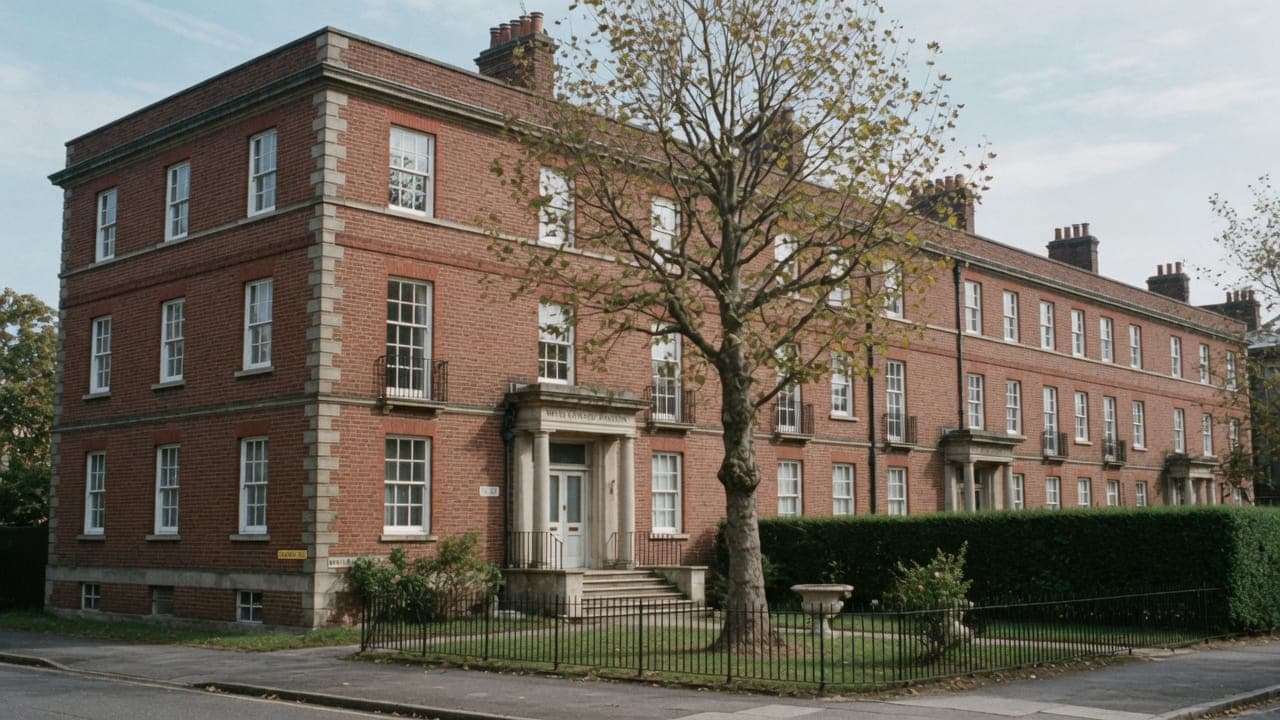
Swiss Cottage
NW3
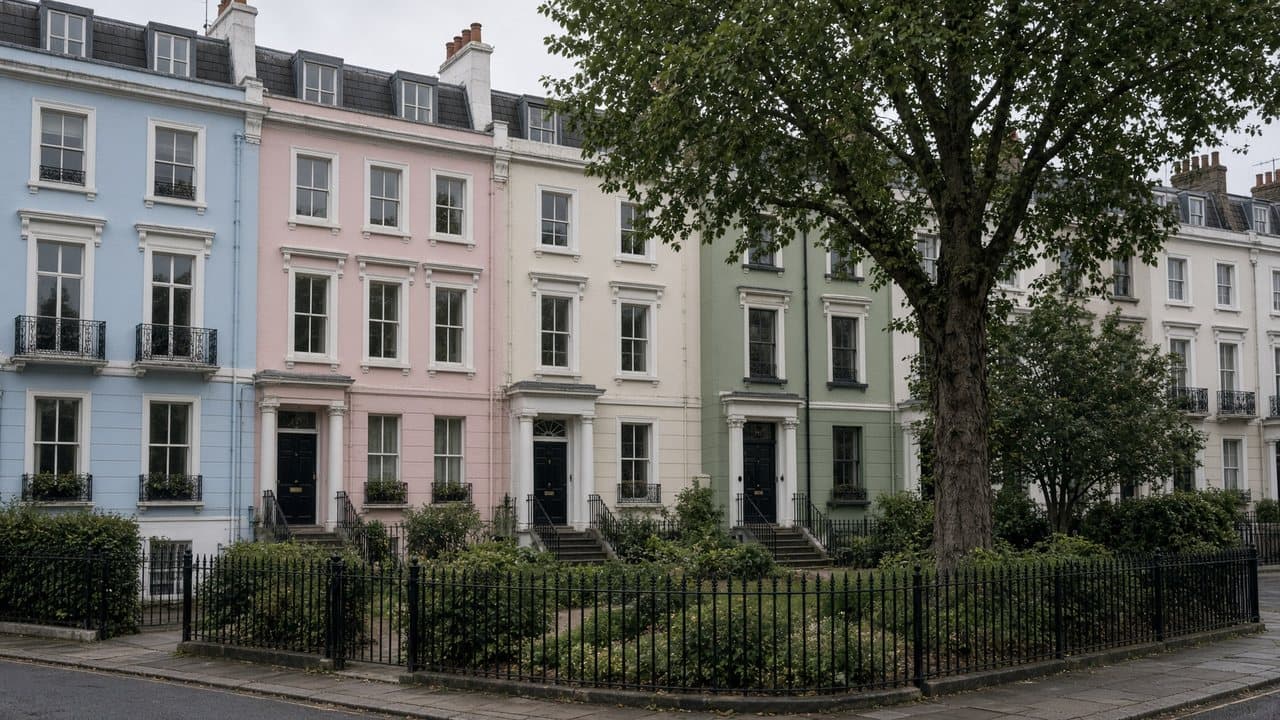
Primrose Hill
NW1
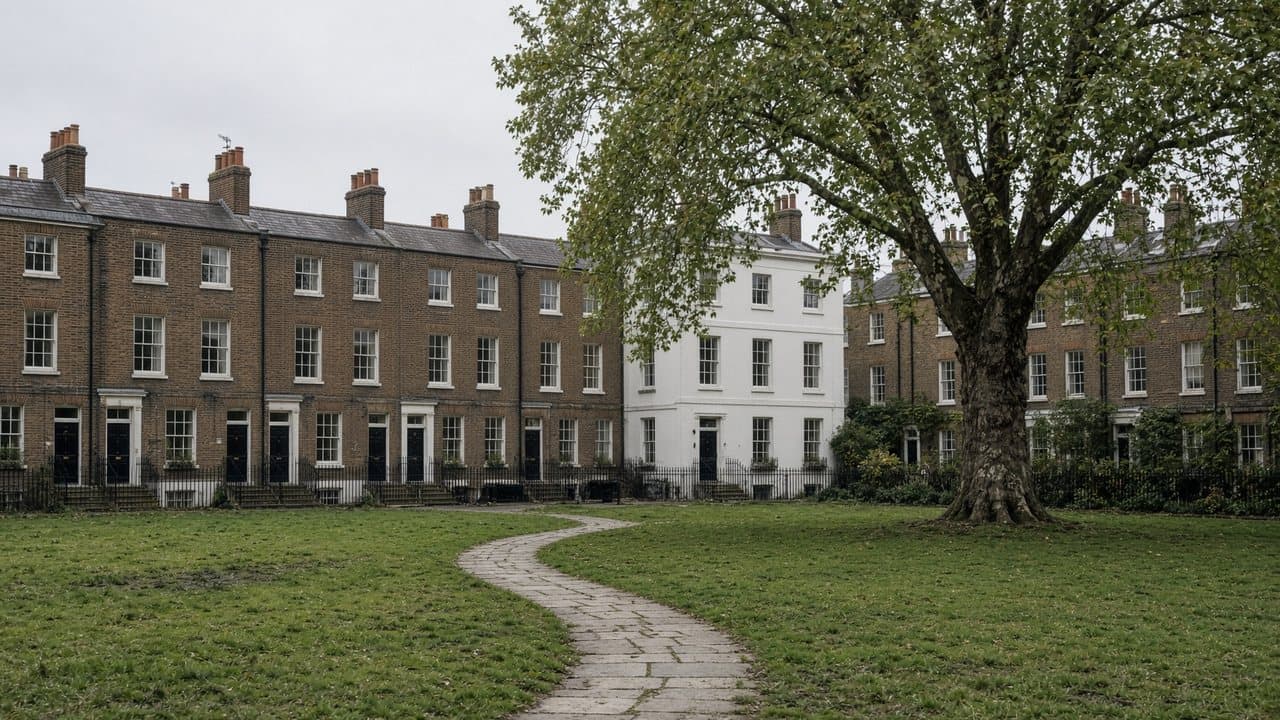
Highgate
N6
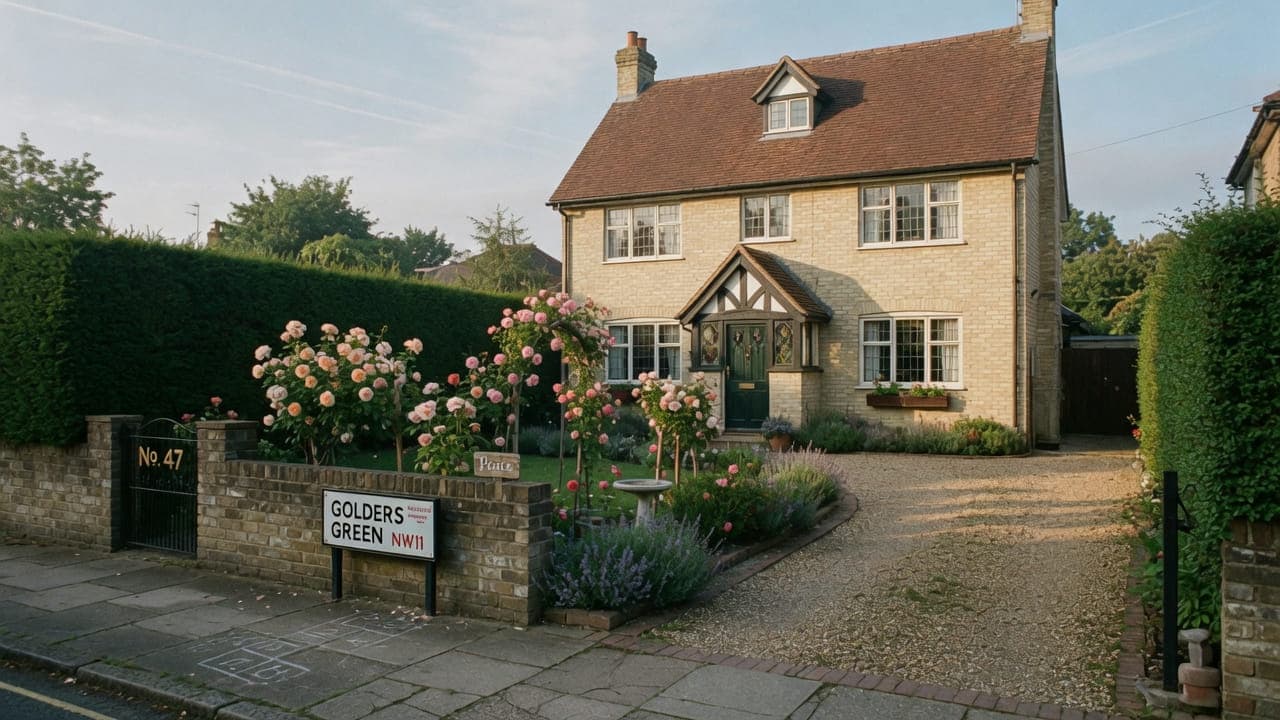
Golders Green
NW11
Queen's Park
NW6
Muswell Hill
N10
Crouch End
N8
Kentish Town
NW5
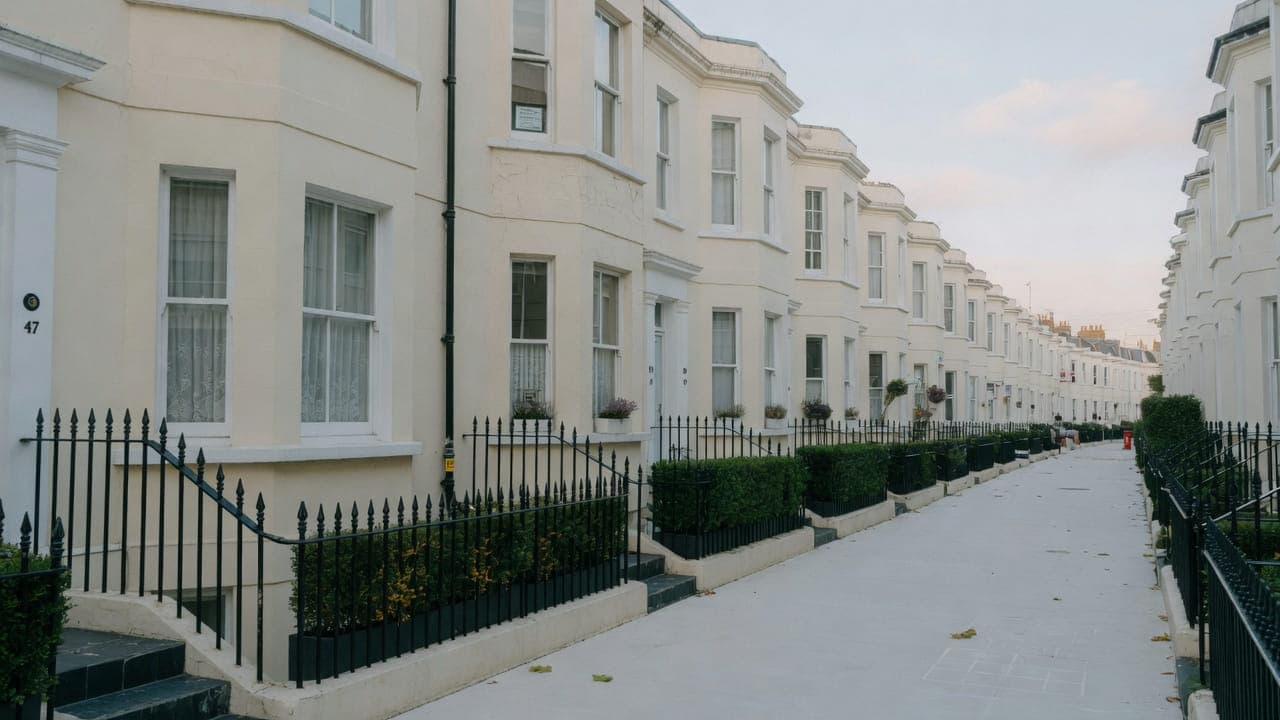
Kilburn
NW6
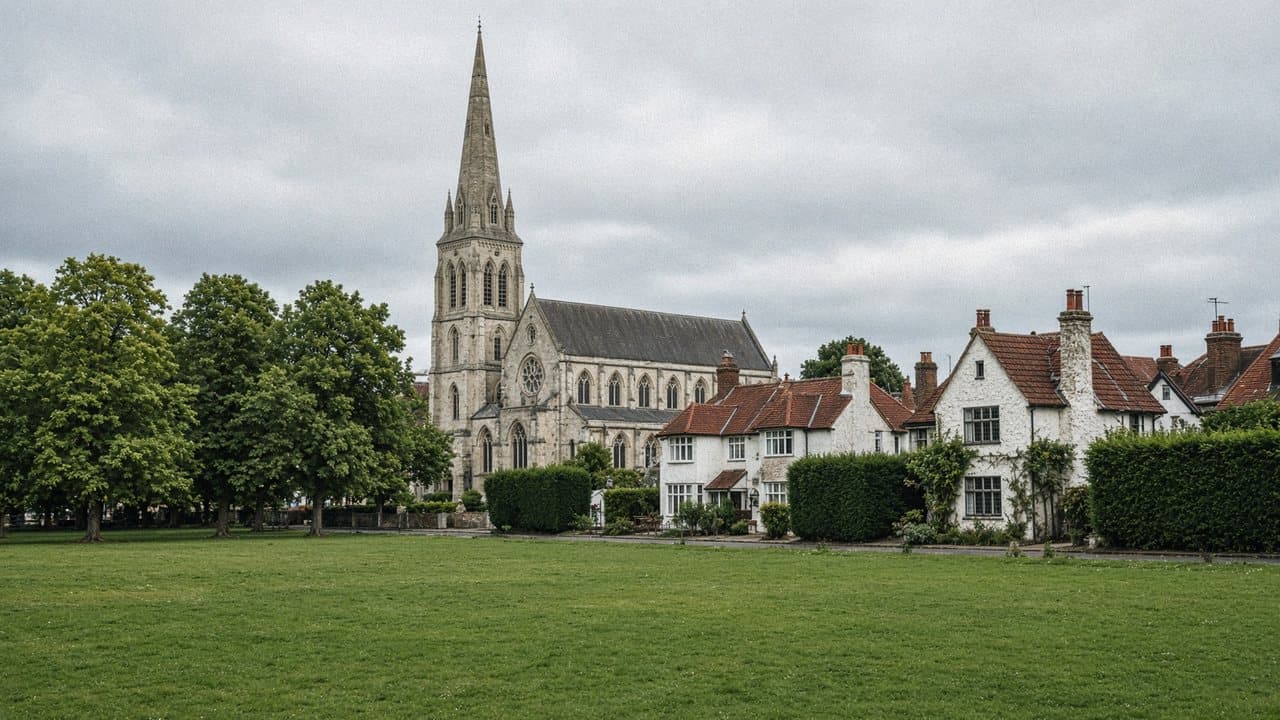
Hampstead Garden Suburb
NW11
Every painting and decorating page
- Painting and decorating in Hampstead NW3
- Painting and decorating in West Hampstead NW6
- Painting and decorating in Belsize Park NW3
- Painting and decorating in St John's Wood NW8
- Painting and decorating in Maida Vale W9
- Painting and decorating in Swiss Cottage NW3
- Painting and decorating in Primrose Hill NW1
- Painting and decorating in Highgate N6
- Painting and decorating in Golders Green NW11
- Painting and decorating in Queen's Park NW6
- Painting and decorating in Muswell Hill N10
- Painting and decorating in Crouch End N8
- Painting and decorating in Kentish Town NW5
- Painting and decorating in Kilburn NW6
- Painting and decorating in Hampstead Garden Suburb NW11
Guides
How consent, tenure and sequence work on this kind of job.
- Renovating in a conservation area: what consent actually covers
Much of North West London sits in a conservation area, and the rules bite far harder on the outside of a building than on the rooms inside it.
- Decorating period plaster: lime, patches and lining paper
A wall in a converted Victorian house is usually three or four different materials wearing the same colour.
- Original sash windows: decorating them as joinery
A sash window that sticks, rattles or will not stay up has a joinery problem, and no amount of paint is the answer to it.
- The order of works in a light refurbishment
In a whole-flat programme the sequence is the thing you are buying. Everything else is materials and labour.
Painting and decorating questions
We do not publish standard prices for painting and decorating. Period fabric, access, extract, tenure and consent in Hampstead, St John's Wood, Maida Vale and the wider list change the figure. We visit, then write a proposal against a defined scope. 020 7101 3168.
Internal painting and decorating within existing rooms often does not need planning permission. Conservation-area, listed-building, Article 4 and freeholder rules still apply to extract, windows and elevations. We check the address. We do not assume permitted development in Hampstead, Highgate or Hampstead Garden Suburb.
Painting & Decorating pages on this site cover Hampstead, West Hampstead, Belsize Park, St John's Wood, Maida Vale, Swiss Cottage, Primrose Hill, Highgate and the wider list. If the property sits just outside those pages, contact us and we will say whether we can take it on.
Tell us the rooms, whether you are staying, and whether the building has hours. We survey substrates and joinery, write a prep specification, and sequence rooms so a kitchen, a bathroom and a bedroom stay usable.
Interior decoration within existing rooms is ordinary work. Listed and conservation rules bite when coatings, windows or external joinery change. We check the address before we open a tin.
No. Preparation takes the majority of the time. Failed plaster, lime backgrounds and original sashes are specified as joinery and substrate, not as a cheap emulsion over defects.
Where movement would telegraph through paint, yes. It is written into the proposal, not slipped in on the day. Mixed later patches in West Hampstead, Kentish Town and Crouch End conversions are the usual reason.
Yes, where they are in scope. Failed cords, staff beads or putty are not a paint item; we say so before we start. Conservation-area and listed windows are checked on the address.
A single drawing room, a floor of a conversion, or a whole house. The prep specification is written either way. A cheap emulsion over unprepared walls is not the work.
Yes, with a system that suits the substrate. Lime, gypsum and mixed later patches are surveyed first. We will not put a modern acrylic over lime as a default.
Previously painted windows, doors and joinery where access and weather allow. A new outside colour in the Suburb is not assumed. Internal decoration that does not change the elevation is ordinary work.
Yes. A large share of the work is in lived-in houses and flats. We sequence rooms, control dust, and agree working hours with you (and with the building, in a mansion block).
Spray is efficient on empty rooms and new plasterboard. In occupied period interiors, brush and roller usually produce a more controllable result around original joinery. We will recommend one method per room, not a single house rule.
We work with established heritage colour ranges as generic categories. We do not claim an exclusive relationship with any manufacturer. Samples are painted on the wall, because limewash, estate emulsion and modern acrylic all read differently in NW London light.
Hairline cracking and filling are part of preparation. Failed plaster, damp, or timber decay are not decorating items — we will isolate the cause and, where it sits inside a light refurbishment, include the repair in the proposal rather than paint over it.
Yes. Fully insured.
A flat can be a matter of days or a small number of weeks depending on prep. A family house, empty, is typically measured in weeks; occupied, longer, because we work around you. The survey produces the programme.
Yes. Prep standard, number of coats, product type and sheen are written down. That is what we snag against, in daylight and with the lights on.
In a conservation area or on a listed building, often yes. In Hampstead Garden Suburb a new outside colour is not assumed. Internal decoration that does not change the elevation is ordinary work. We check the address before we quote the elevation.
Yes, as a separate scope from the demise, and to the building's hours and specification. We will not treat the stair as an extension of the flat.
Charts are a starting point. Samples are painted on the wall, in the light the room has. North-facing Hampstead rooms and west-facing mansion flats do not read the same emulsion in the same way.