St John's Wood NW8
Painting and decorating in St John's Wood, NW8
St John's Wood decorating is mansion-flat receptions and common parts as a separate scope; the building's hours apply. Addresses sit with City of Westminster. We visit from Unit 3 Palace Court, 250 Finchley Road, London NW3 6DN; we do not quote from photographs.
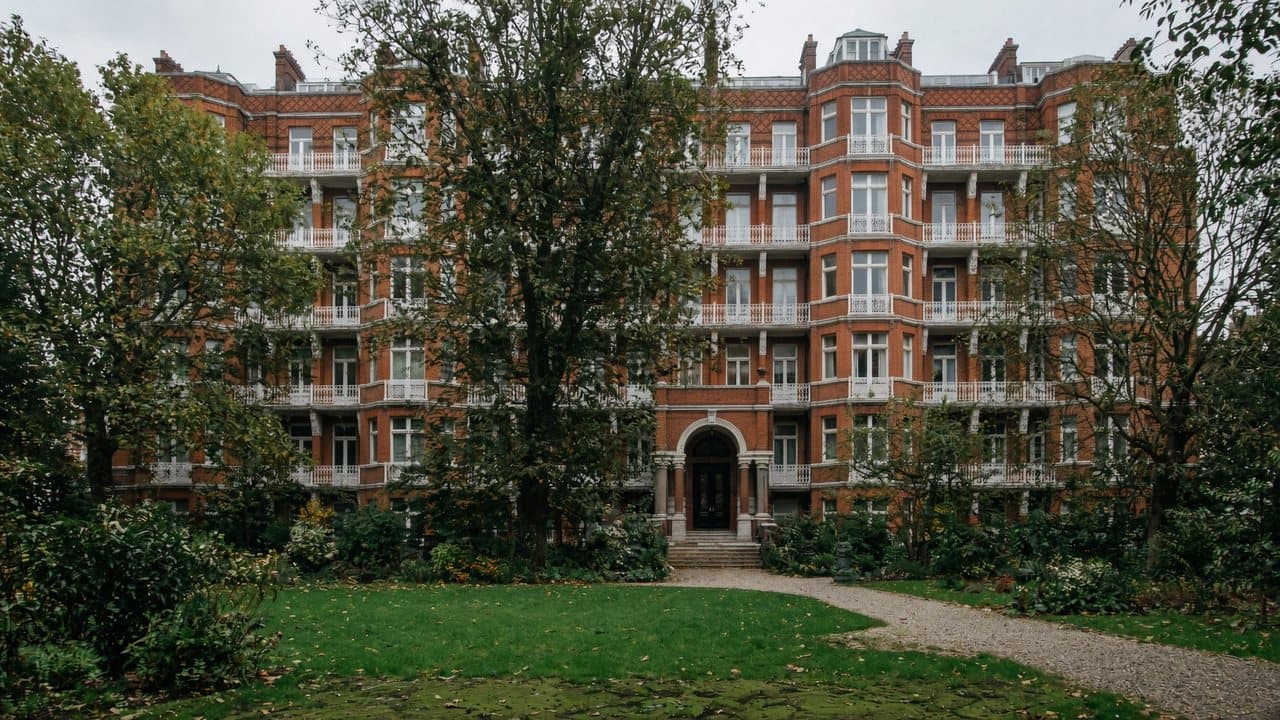
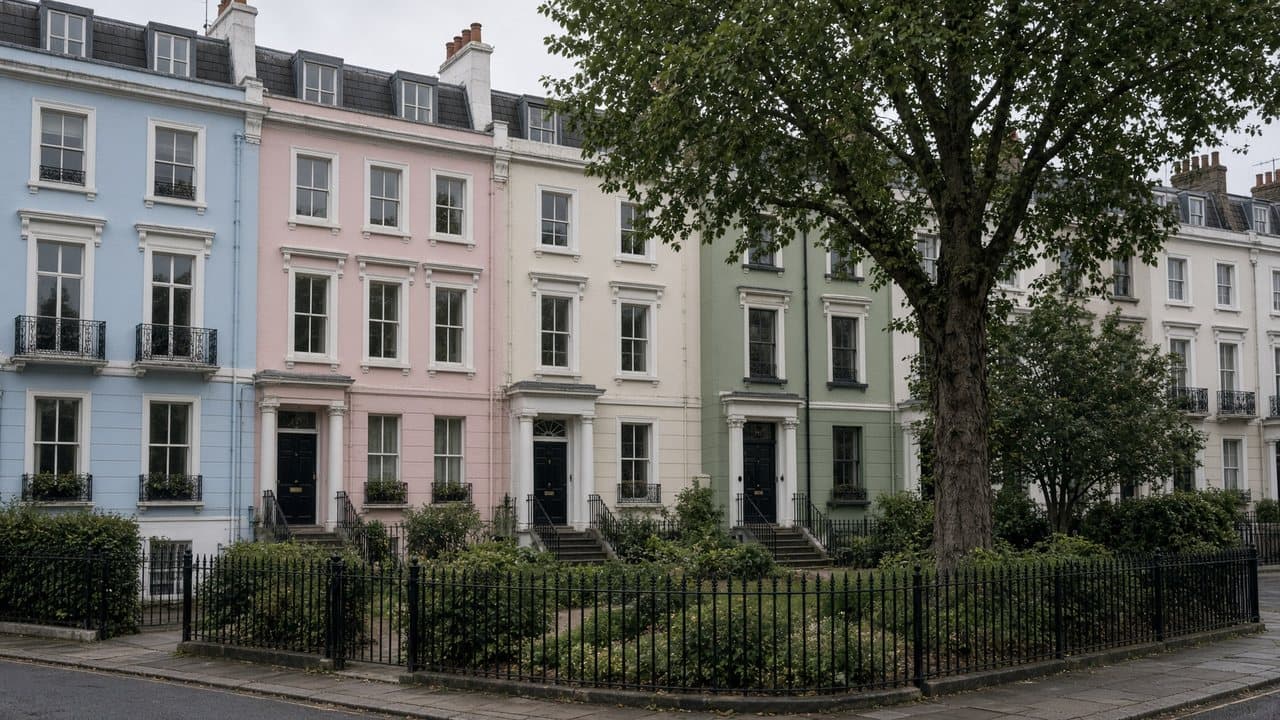
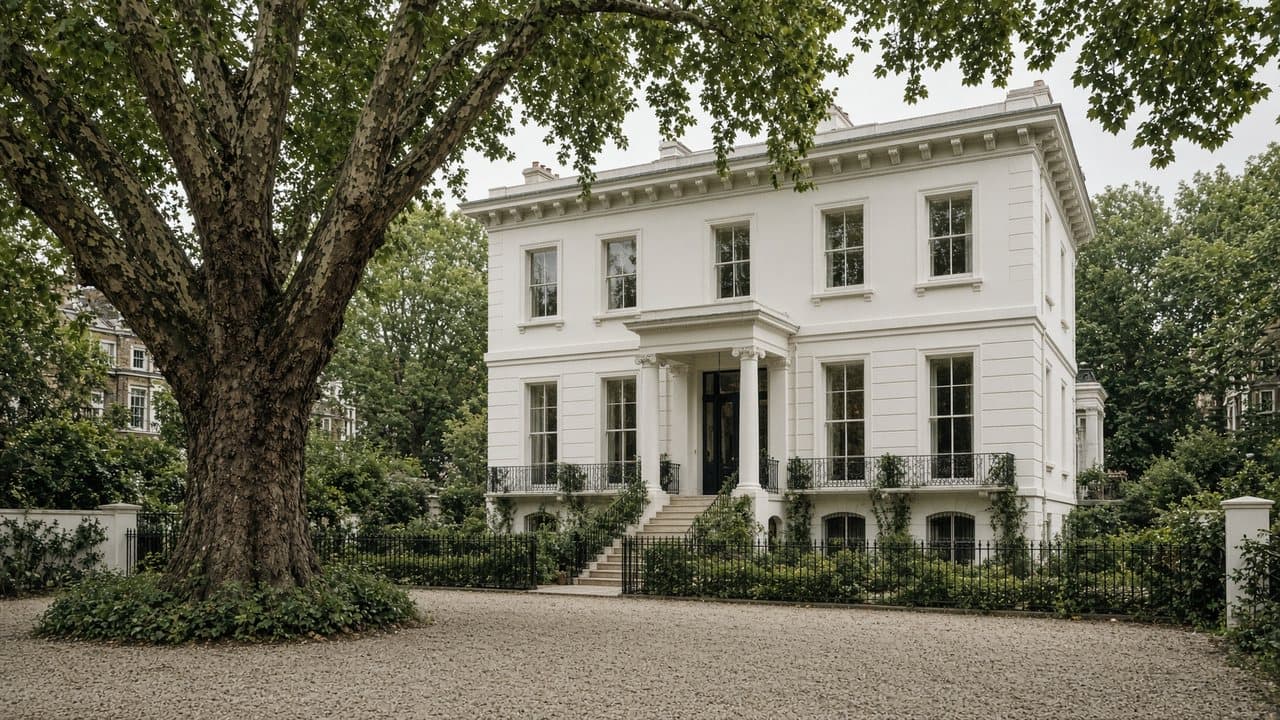
St John's Wood (NW8) is the City of Westminster for most of the residential core, with a smaller Camden conservation area on the borough edge. The stock mixes detached and semi-detached villas on tree-lined streets with large late-Victorian and Edwardian mansion blocks, particularly toward Wellington Road and Prince Albert Road. Flats in those blocks have original joinery, compact rooms, and common parts that managing agents protect closely.
The decorating fabric in the blocks is shared corridors, previous coatings of unknown type, and a demise that must be painted without marking the stair the agent inspects. Villa interiors are a different grain: larger rooms, original joinery, occupied family houses. In both cases colour is sampled on the wall. Old coatings in these blocks are rarely a single product; matching 'what is there' is a sample, not a code from a faded tin.
Hampstead Property Services Group Limited (company no. 17404557) carries out this work in St John's Wood from Unit 3 Palace Court, 250 Finchley Road, London NW3 6DN.
See also painting and decorating in North West London and kitchens, bathrooms and decorating in St John's Wood.
St John's Wood, NW8
Who painting and decorating in St John's Wood is for
St John's Wood, NW8, is the City of Westminster for most of the residential core, with a smaller Camden conservation area on the borough edge. Late-Victorian and Edwardian mansion flats toward Wellington Road and Prince Albert Road are decorated around occupation, as are villa and mews houses on the tree-lined streets. Porters' rules, Lord's match days and a corridor the agent inspects shape the programme as much as the paint. We are fully insured.
Block interiors are compact: original joinery, previous coatings of unknown type, and a demise that must be painted without marking the stair. Villa interiors are a different grain — larger principal rooms, original sashes, occupied family houses. In several buildings a freeholder design guide is stricter than planning for anything visible from the corridor. Fire doors keep their seals, closers and labels unpainted.
Occupied houses, sashes and original joinery in St John's Wood
Most instructions are mansion-flat interiors: walls, ceilings and joinery in a compact demise, with the common parts protected even when they are not being painted. Villa and mews houses supply principal rooms and original sashes that are priced as joinery. Occupied sequencing is ordinary; spray is rarely the default in a furnished flat. Lining paper is specified where movement in later partitions would show.
What a visit settles before decorating starts in St John's Wood
A visit is a measuring exercise, not a sales call. These are the things we settle in St John's Wood before a figure is written.
01
What the building expects before we arrive
NW8 managing agents typically set protection standards, hours and contractor requirements, and decorating means weeks on site rather than a single delivery. We read those requirements at the survey and build them into the programme, because a crew turned away at a lobby on a Monday morning costs more than the protection would have.02
Furnished flats and what can actually move
These are often fully furnished homes with pictures, rugs and pieces that are not going into a hallway. We establish what moves, what is covered in place, and what needs specialist handling, because that assessment determines the method and whether spray is possible anywhere at all.03
Wall construction behind the paint
Mansion-block walls range from solid masonry to later partitions and lined surfaces, sometimes within one room. We test absorbency and soundness rather than assuming, because mixed backgrounds under a single coat is how a wall ends up looking patchy in side light.04
Joinery in a purpose-built flat
Panelled doors, deep architraves, picture rails and sometimes original ironmongery. We record condition and how many times each element has been coated, because heavy accumulated paint on good joinery is a decision point rather than a detail.05
Principal rooms and the light they get
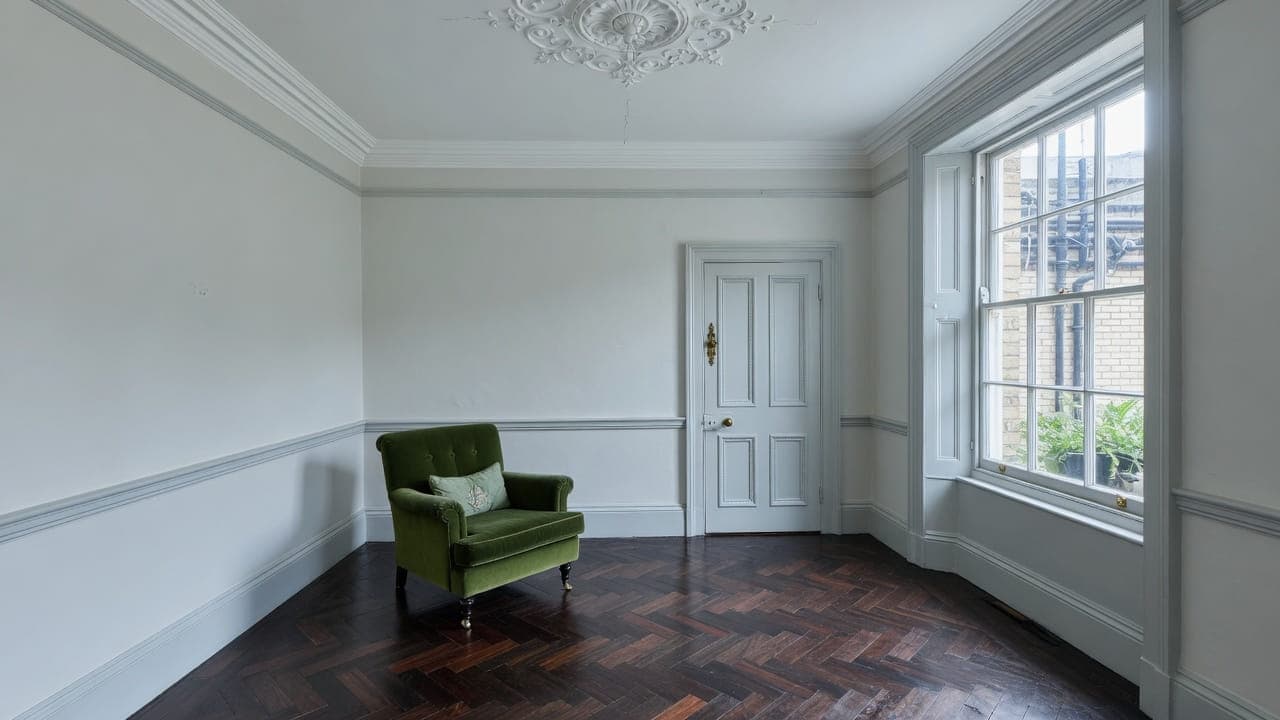
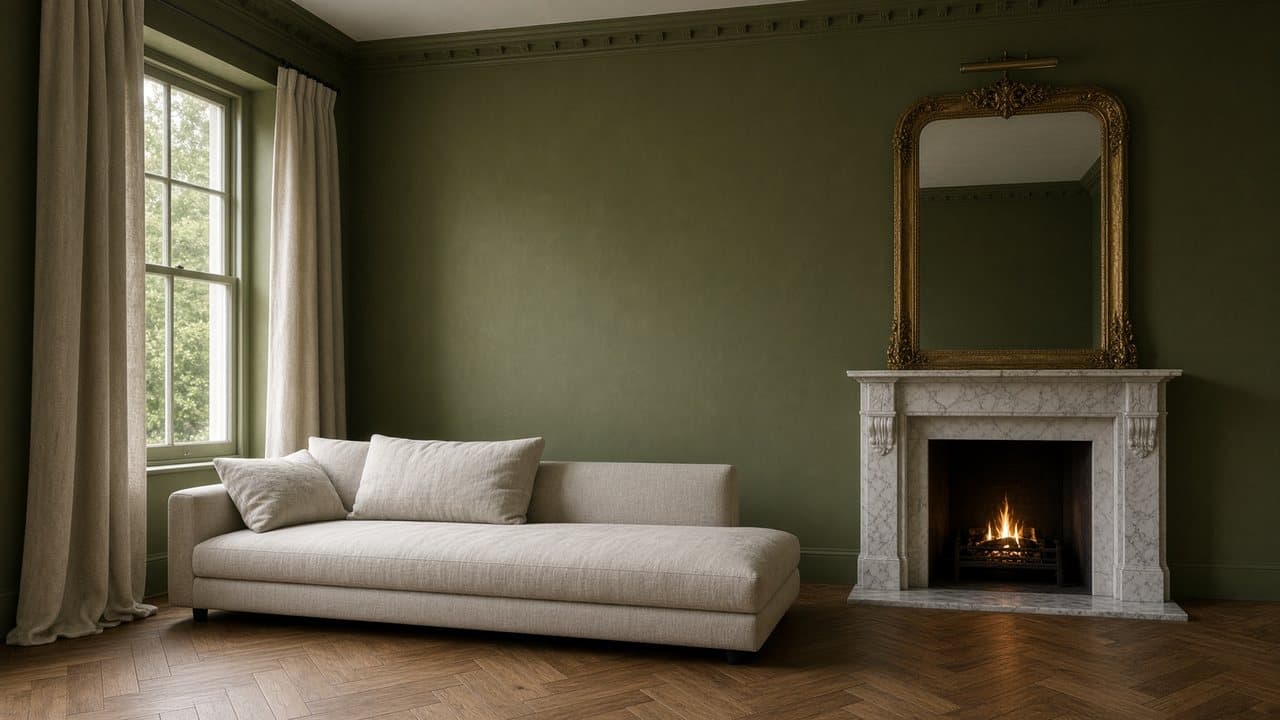
Villa and mansion-flat reception rooms in NW8 are often large with tall windows onto tree-lined streets, which gives green-filtered light in summer and flat grey light in winter. We look at colour in the room across a day rather than deciding from a card in a corridor.
What has to be right before decorating in St John's Wood
01
Villa sashes versus block casements
Villa and mews houses supply original sashes priced as joinery. Mansion-flat windows on a block elevation are usually the building's cyclical item, not something added to a demise. Failed cords and putty are reported. We specify from the frames that exist. Matching an old coating in these blocks is a sample, not a code from a faded tin.
Local facts that shape decorating in St John's Wood
Checkable facts that shape painting and decorating in St John's Wood NW8 — housing, council and the room as found.
- 01St John's Wood decorating is mansion-flat receptions; common parts are a separate scope and the building's hours apply.
- 02Westminster designated the conservation area in 1968.
- 03Matching an existing mansion-flat colour is a sample on the wall, not a code from a faded tin.
- 04Lord's match days can restrict access on surrounding streets.
- 05Spray is rarely the default in a furnished compact apartment.
- 06Most of NW8's residential core is Westminster; Camden holds a smaller adjoining conservation area.
Painters and decorators in St John's Wood: prep, conservation and occupied homes
City of Westminster
- Lord's Cricket Ground
- St John's Wood High Street
- Abbey Road
How decorating is specified in St John's Wood
Survey records the demise, the common parts that must be protected, the lift and stair for materials, and the substrate in each room. Prep standard, coats and sheen are written. Colour is sampled on the wall in the flat's light, which is not the corridor's light.
Sashes and original doors are joinery. We do not claim an exclusive heritage palette; colours come from established generic ranges. Spray is used where a room is empty and the building allows it; brush and roller remain the default in occupied mansion flats. Snagging is in daylight and with the lights on.
Coatings, sheens and joinery systems in St John's Wood
In a furnished mansion flat, the method dictates the material more than the reverse. Brush and roller rather than spray, systems with low odour and reasonable drying in a flat where somebody sleeps, and finishes that can be cleaned in a hall used daily. We specify per room rather than per flat, and we say which method is being used where so nobody expects a sprayed finish in a room full of furniture.
Joinery in these flats is worth treating properly. Where doors and architraves carry decades of accumulated coating, the choice is to prepare and overcoat, which is quick, or to take back to a sound base, which recovers the profile and costs more. A lower sheen forgives accumulated thickness; a high one advertises it. We give a view per element rather than a blanket recommendation.
Colour in principal rooms here benefits from restraint and from being tested properly. Tall windows onto a tree-lined street give quite different light in July and January, and a colour chosen in one season can disappoint in the other. We paint large samples on the actual wall, leave them for several days, and look at them morning and evening before anything is ordered in quantity.
What a typical decorating instruction includes
In the blocks, the instruction is usually the whole demise at once — reception, hall, bedrooms and the inside face of the flat entrance door — because a single approved period of works is simpler for a building to administer than several across a season. Villa and mews interiors run larger: principal rooms, a staircase, more original joinery. What decides the mansion-flat job is the building's own timetable, since materials, protection and waste all move through parts the agent inspects.
The full inclusion list is on the painting and decorating in North West London page.
How a decorating programme runs
Visit, written proposal, then the rooms in order. In St John's Wood that order has to absorb mansion-flat interiors and City of Westminster process. We do not start from photographs.
- 01
Survey and specification
- 02
Programme for an occupied home
- 03
Preparation
- 04
Decoration
- 05
Joinery and details
- 06
Snag and clean
A St John's Wood decorating programme, stage by stage
The steps above are the method. Below is what those steps mean in St John's Wood NW8, in the order they happen on site. Durations are written after the room is measured, not before.
- 01
Building requirements agreed in writing
Protection standard, hours, contractor details and any booking arrangements settled with the managing agent before the first day. In NW8 this is a real stage rather than a formality. - 02
Protection of common parts and contents
Lobby, lift and corridor protected to the building's standard, then the flat itself: floors, furniture, pictures and anything staying in the room. Decorating runs for weeks, so protection is installed to last. - 03
Preparation, honestly done
Washing down, removing failed material, stabilising mixed backgrounds, filling and sanding with dust extracted at the tool. In an occupied furnished flat, dust control is the single thing clients notice most. - 04
Coats in sequence, drying respected
Ceilings, walls and then joinery, room by room, with drying time allowed. A flat with sealed windows and constant heating dries differently from a house, and we programme for the building rather than for the tin. - 05
Reinstatement, inspection, sign-off
Furniture and pictures back, fittings rehung, floors cleaned. The flat is inspected with you in daylight and the common parts are checked with the porter before the protection comes out.
Deliveries, parking and protection in St John's Wood
Access here is about the building rather than the street. Westminster licences skips and scaffolding, but what shapes a decorating programme is the block's own rulebook: porters' hours, lift bookings, protection standards for the lobby and corridor, and rules on where materials may be stored. Decorating means arriving every day for weeks, so those rules apply repeatedly. We collect them at the survey and plan around them rather than negotiating each morning.
What moves the figure on a St John's Wood decorate
We do not publish a price list, and we do not price from photographs. These are the things that move the figure in St John's Wood.
01
Working in a furnished occupied flat
Moving, covering and reinstating contents every day, working smaller faces, and cleaning down each evening is slower than an empty flat and it rules out spray in most rooms. It is the defining cost factor in an NW8 decorate.02
What the building requires
Protection of common parts to a managing agent's standard, restricted hours and booked lifts cost time across weeks rather than days. It is named in the proposal because pretending otherwise simply moves the problem into the programme.03
How much joinery, and whether it is taken back
Panelled doors, deep architraves and picture rails are hours of hand work. Stripping heavily overpainted joinery back to a sound base is transformative and slow; overcoating is quick. The choice belongs to you and should be informed.04
The standard the rooms demand
Large reception rooms with tall windows show preparation shortcuts in side light. Meeting that standard is more filling and more sanding than a small room needs, and it is where a good decorate separates itself from a quick one.
Staying in the house while St John's Wood rooms are decorated
Most NW8 clients stay, and these flats are well suited to it: separate rooms, a hall that can be worked around, and enough space that a room out of use is an inconvenience rather than a crisis. We work room by room, reinstate each before opening the next, and keep the kitchen, a bathroom and a bedroom usable throughout. Contents are covered properly and moved to the middle rather than pushed into a corner under a sheet.
The considerations that are specific to a managed block are odour and the porter. Water-based systems keep the smell manageable, but a flat with sealed windows and constant heating holds it longer than a house, and a neighbour on the same landing may notice. We ventilate deliberately, keep bedrooms out of the wet phase where we can, and let the porter know the programme so that questions come to us rather than to you.
How decorating in St John's Wood disappoints, and what prevents it
The failure that stops work in NW8 is arriving without the building's requirements satisfied. Decorating means a crew and materials through a protected lobby every morning for weeks, and an agent who expects a protection specification, insurance evidence and agreed hours will turn a crew away rather than negotiate. Those requirements are collected at the survey and satisfied before the first day rather than argued about on it.
The second is promising a sprayed finish in a furnished flat. Spray gives a superb result on joinery and large flat areas and it requires everything else to be masked comprehensively, which is not realistic in a flat full of furniture, pictures and rugs. Method is specified per room and stated plainly, so nobody expects a finish the working conditions cannot deliver.
The third is mixed backgrounds treated as one. Mansion-block walls range from solid masonry to later partitions and lined surfaces, sometimes within a room, and a single coat over variable absorbency dries at different sheens regardless of how good the paint is. Absorbency and soundness are tested room by room, and the unifying preparation is where the labour honestly goes.
Handover, touch-in and the year after in St John's Wood
The inspection is in daylight, room by room, because that is where a missed cut line and uneven sheen show. We write the snag list and touch in at that visit. You receive a record of the systems, sheens and colour references used in each room, which in a flat likely to be redecorated in parts is genuinely useful later. The common parts are checked with the porter and the protection removed. Hampstead Property Services Group Limited is fully insured.
Purpose-built blocks are stable, so what comes back later is usually wear rather than movement: a hall that takes more traffic than anywhere else, a door edge, a skirting behind a piece of furniture that was moved. Having the colour and sheen record makes that a small job rather than a repaint. Telephone 020 7101 3168 or write to office@hpsg.co.uk.
Arrange a visit or telephone 020 7101 3168.
Painting and decorating questions in St John's Wood
We do not publish a price list for painting and decorating in St John's Wood. St John's Wood decorating is mansion-flat receptions and common parts as a separate scope; the building's hours apply. Addresses sit with City of Westminster. We visit from Unit 3 Palace Court, 250 Finchley Road, London NW3 6DN, then write a proposal against a defined scope. 020 7101 3168.
Internal painting and decorating within existing rooms in St John's Wood NW8 often does not need planning permission. City of Westminster still controls extract, windows and elevations where conservation, listing or Article 4 apply. We check the address. We do not assume permitted development.
A St John's Wood flat can be a matter of days or a small number of weeks depending on prep. A family house, occupied, takes longer because we work around you. Mansion-flat interiors in St John's Wood NW8 shape the programme. The written programme follows the survey.
Occupied decorating in St John's Wood is ordinary. Rooms are sequenced so a kitchen, a bathroom and a bedroom stay usable where the programme allows. We will say so plainly at survey.
Yes. Agents notice floors and stairs first. Protection is in the method, not an afterthought on day one.
We sample on the wall. Old coatings in these blocks are rarely a single product, so a code from a faded tin is not a specification.
Most of NW8's residential core is Westminster. Camden holds a smaller adjoining conservation area on its side of the boundary. We confirm from the address.
No. Common parts are a separate scope, to the agent's hours and specification. We will not treat the stair as an extension of the demise.
Yes. Occupied sequencing is ordinary. The building's approved hours already shorten the day, and the demise keeps a working kitchen, bath and bedroom while other rooms are coated. The flat's own hall is finished last, because until then it is the corridor everyone and everything crosses. Empty is faster; most demises here are not empty.
Rarely. Spray is used where a room is empty and the building allows it. Original doors, a protected common route, and furniture still in the demise are brush work. Villa interiors with original sashes are the same decision, made per room after survey.
Where movement in later partitions would show through a finish, lining is in the written prep specification. Original backgrounds that are sound are filled and coated. We will not add lining after the agent's protection method is already down and the hours are running.
Yes. A single reception can be instructed on its own. Whole-demise work is more common in the blocks, because one approved period of works is simpler for a building to administer than several across a season. Common parts remain outside it. Villa whole-house work is a different scale of original joinery again.
Rarely, and we would not recommend pretending otherwise. Spray gives an excellent finish on joinery and large flat areas but it requires comprehensive masking of everything that is not being sprayed, which is impractical in a flat full of furniture, pictures and rugs. In an empty flat between tenancies it is a different conversation. We specify method per room and tell you which is being used where, so the finish you expect is the finish you get.
On good joinery in a principal room, often yes. Decades of coating fill the detail of a panelled door until the profile reads as soft, and taking it back to a sound base recovers something you cannot buy. It is slow and it costs accordingly. Where a door is a later replacement or the detail was never fine, preparing and overcoating at a lower sheen is the sensible answer. We give a view per element.
Possibly, on the same landing, and less than they would have twenty years ago. Water-based systems have reduced odour substantially, but a mansion flat with sealed windows and constant heating holds what there is longer than a house does. We ventilate deliberately, sequence bedrooms away from the wet phase where possible, and tell the porter the programme so any questions come to us rather than arriving at your door.
Yes, and an empty flat is the ideal case: continuous working, spray where it suits, and no daily covering and reinstating. It is faster and the finish on joinery can be better. The building's rules still apply, and in NW8 the lead-in for contractor approval can be longer than the decorating itself, so we would rather start that process early than lose the vacant window waiting for a lobby pass.
Frequently, and it is often the best arrangement. Key-holding and access are agreed formally with you and the managing agent rather than informally, we keep you updated at set points, and any decision that genuinely needs you is held until you can make it. Colour approvals in particular are better settled before you go, with samples painted on the wall and seen in the room.
Pieces that can be moved go to the middle of the room and are covered properly. Pieces that cannot are covered in place with the fixings protected and, where appropriate, a rigid screen rather than a sheet. Genuinely valuable or fragile items are better handled by a specialist and we would say so rather than take the risk. The method is agreed at the survey, not improvised on the first morning.
Less than it would have twenty years ago, and more than in a house. Water-based systems have reduced odour substantially, but a mansion flat with sealed windows and constant heating holds what there is for longer, and a neighbour on the same landing may notice. We ventilate deliberately, sequence bedrooms away from the wet phase where the programme allows, and tell the porter the dates.