Hampstead Garden Suburb NW11
Painting and decorating in Hampstead Garden Suburb, NW11
Suburb decorating is Arts and Crafts interiors under Trust and Barnet rules; exterior colour is not a chart decision. Addresses sit with London Borough of Barnet. We visit from Unit 3 Palace Court, 250 Finchley Road, London NW3 6DN; we do not quote from photographs.
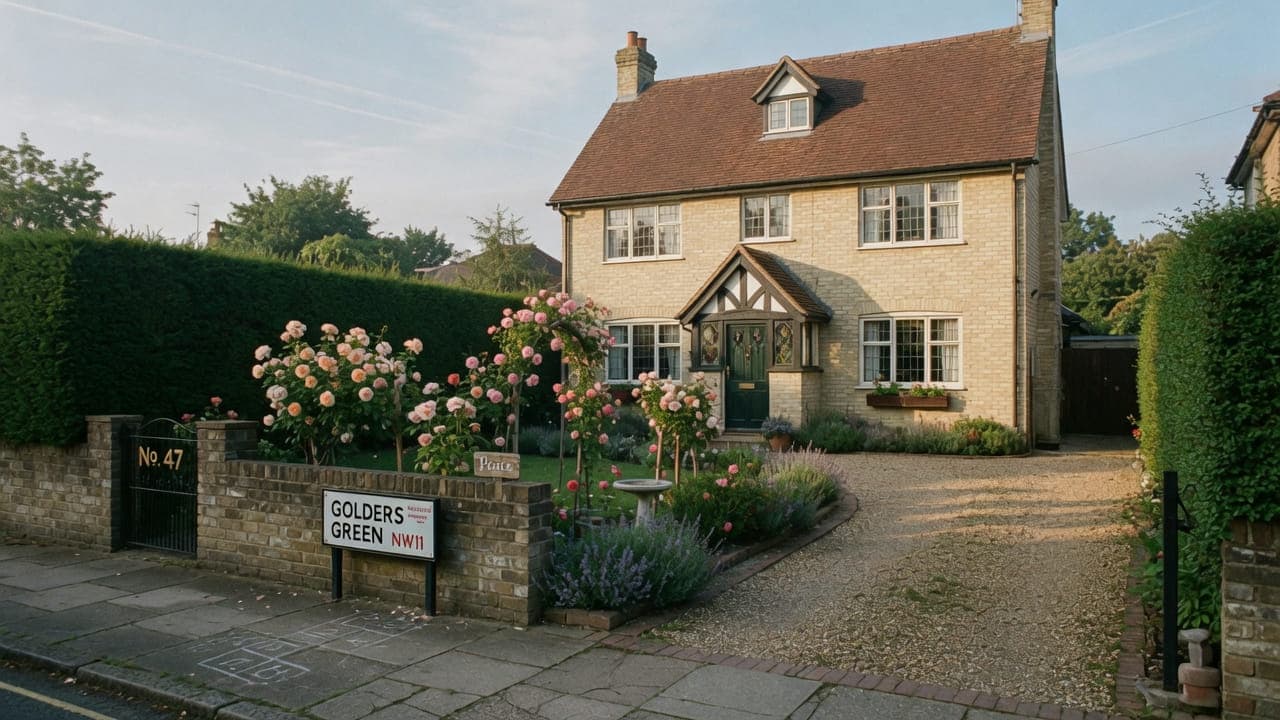
Hampstead Garden Suburb (NW11) is the London Borough of Barnet. The Suburb is Arts and Crafts and later houses planned by Unwin and Lutyens: cottages, larger free-standing houses, and grouped compositions around greens and closes. Interiors vary from modest cottage rooms to substantial family houses. Purpose-built mansion blocks are not the local type.
Hampstead Property Services Group Limited (company no. 17404557) carries out this work in Hampstead Garden Suburb from Unit 3 Palace Court, 250 Finchley Road, London NW3 6DN.
See also painting and decorating in North West London and kitchens, bathrooms and decorating in Hampstead Garden Suburb.
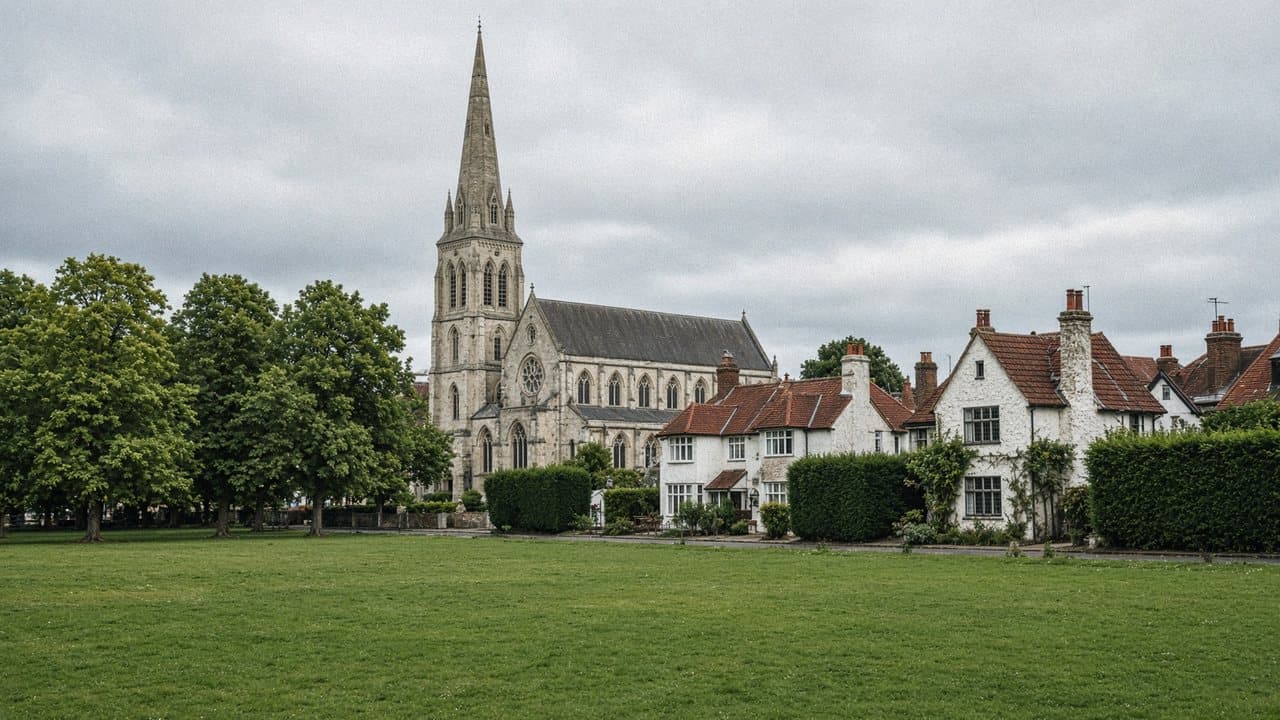
Hampstead Garden Suburb, NW11
Who painting and decorating in Hampstead Garden Suburb is for
Decorating in Hampstead Garden Suburb, NW11, is for occupied Arts and Crafts houses under the London Borough of Barnet and, on the envelope, the Hampstead Garden Suburb Trust. Cottage rooms, larger free-standing houses and grouped compositions around greens and closes are the stock. Purpose-built mansion blocks are not the local type. Households stay in the house; a close is not a place to empty a spray shop onto the grass.
Occupied houses, sashes and original joinery in Hampstead Garden Suburb
Cottage-scale interiors and larger family rooms in free-standing houses, almost all already altered internally. Original joinery is prepared as joinery. Lining paper is specified where later plaster would telegraph through paint. We re-decorate the rooms that exist. We do not treat the elevation as a place to trial a new colour without checking. Occupied houses are sequenced room by room.
What a visit settles before decorating starts in Hampstead Garden Suburb
A visit is a measuring exercise, not a sales call. These are the things we settle in Hampstead Garden Suburb before a figure is written.
01
Original Arts and Crafts joinery
These houses were built with joinery that is a substantial part of their character: doors, ironmongery, window joinery, stairs. We assess each element for condition and accumulated coating, because taking good original joinery back to a sound base is one of the few decorating decisions that genuinely changes a Suburb interior.02
Cottage or larger house
The Suburb spans modest cottages and substantial free-standing houses, and the decorating instruction differs completely. We establish the scale first, because a cottage is a precise small programme and a larger house is a whole-house one with a stairwell to plan around.03
What the last three decorates left
Walls and ceilings here have usually been coated many times, sometimes with materials that no longer suit the substrate underneath. We test adhesion and absorbency rather than assuming, because a coating that lifts is a preparation job rather than a painting one.04
Working on a close or a green
Houses are grouped around greens and closes with shared frontages and planted verges. For a crew arriving daily, a standing position that will not damage a verge or block a shared frontage is a programme item rather than a detail.
What has to be right before decorating in Hampstead Garden Suburb
01
Stained joinery that has never been painted
Doors, stair strings and window boards that still show the original stain are a one-way choice if they go to paint. Stripping that film back later is slow and rarely returns the surface you had. We put the decision in writing before a brush is loaded, and we would rather sample one room than convert the whole house on the first morning.02
Cottage rooms with the household in them
Cottage interiors are low and small-windowed. There is nowhere to stack a household, so rooms are finished one at a time. Deliveries are arranged with the household, not left on the close. Occupied sequencing is ordinary; spray around furnished original joinery is not.
Local facts that shape decorating in Hampstead Garden Suburb
Checkable facts that shape painting and decorating in Hampstead Garden Suburb NW11 — housing, council and the room as found.
- 01Suburb decorating is Arts and Crafts interiors under Trust and Barnet rules. Exterior colour is not a chart decision.
- 02The conservation area was designated in 1967. An Article 4 direction has been in force since the 1970s.
- 03Internal emulsion that does not change the elevation is ordinary work. A new outside colour is not.
- 04The Trust Scheme of Management is a separate map from the conservation-area boundary.
- 05Cottage-scale doors and sashes are programmed as joinery, not as a cut-in.
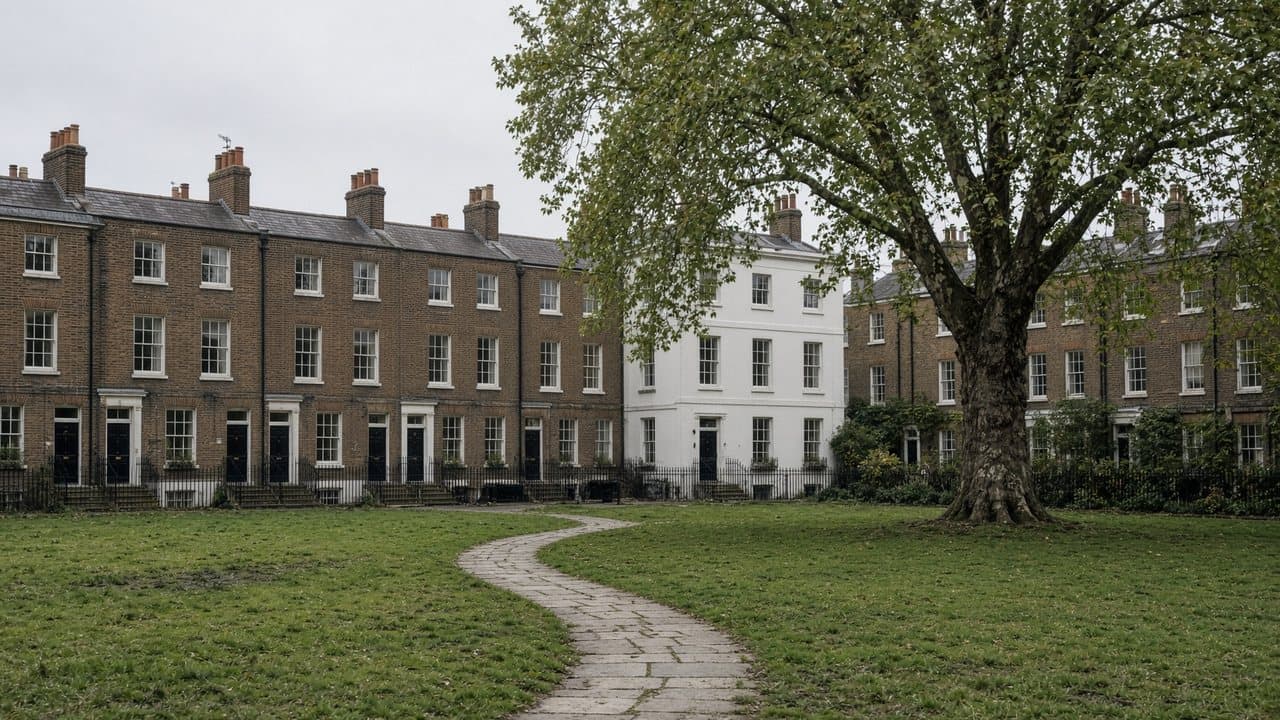
- 06Closes and greens are not loading bays. Central Square groups the Institute, the Free Church and St Jude's.
Painters and decorators in Hampstead Garden Suburb: prep, conservation and occupied homes
London Borough of Barnet
Closes and greens are not loading bays. Deliveries are planned for the setting. Barnet licences still apply. Occupied houses keep a kitchen, a bathroom and a bedroom usable where the programme allows.
Council, conservation and access in Hampstead Garden Suburb.
- Central Square
- The Institute / Free Church / St Jude's grouping
- Hampstead Garden Suburb Trust
How decorating is specified in Hampstead Garden Suburb
Survey of the rooms, the elevation, the Trust boundary and the conservation-area map. Prep standard, coats and sheen are written. Colour is sampled on the wall in local light. Anything that breaks or recasts the envelope is checked before we quote an external colour.
Coatings, sheens and joinery systems in Hampstead Garden Suburb
Arts and Crafts interiors suit a quiet, well-made decorate rather than a fashionable one. Restrained wall colours, joinery treated as joinery with a sheen that suits hand-made timber rather than advertising it, and systems chosen to suit the substrate. Where original joinery carries decades of coating, taking it back recovers the profile the house was designed with, and in these houses that is usually worth doing on the principal elements.
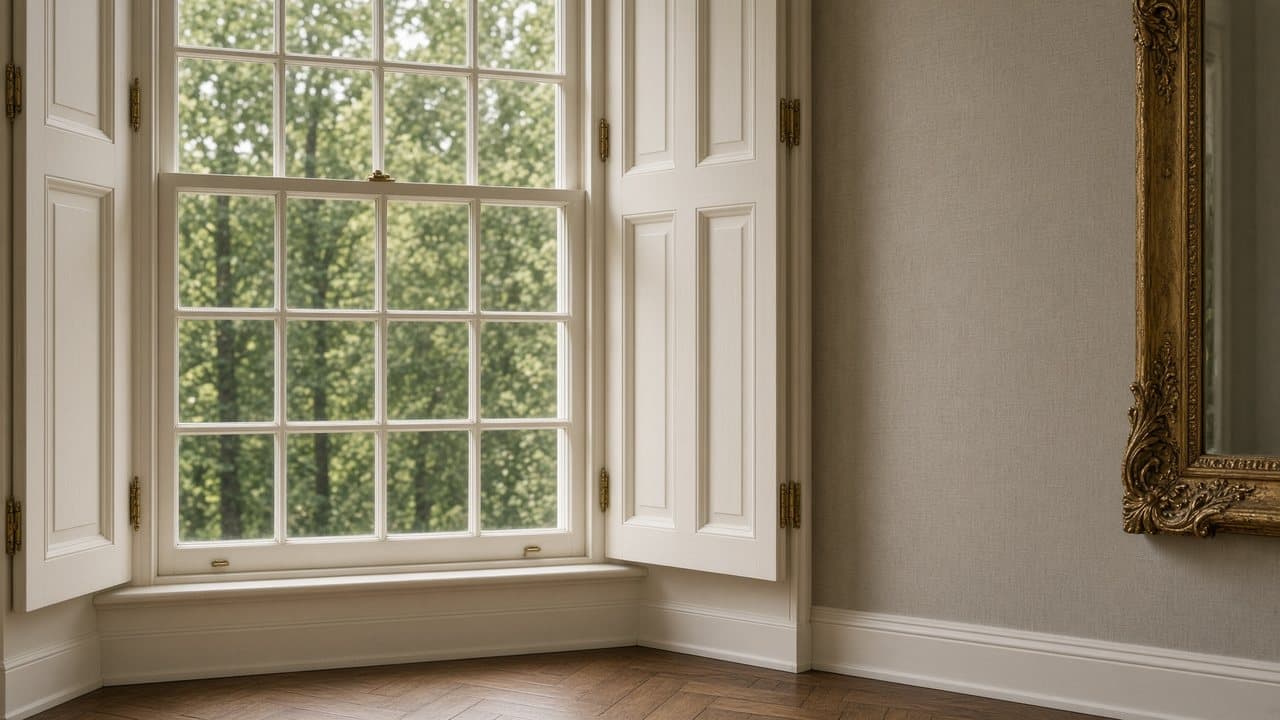
Colour here benefits from restraint and from testing in place. Rooms in Suburb houses often have deep reveals, leaded lights and modest window areas by comparison with a Victorian villa, which changes how a colour reads through the day. We paint large samples on the wall and look at them morning and evening rather than deciding from a card, and we generally steer toward a palette that lets the joinery and the proportions do the work.
Anything external is a separate conversation with a separate consent position. Previously painted joinery, doors and any painted masonry take a system suited to the substrate, and the colour is not a free choice: the Trust and Barnet both have an interest in the external appearance. We quote external work separately and check what consent is needed before it is planned rather than after a crew is on site.
What a typical decorating instruction includes
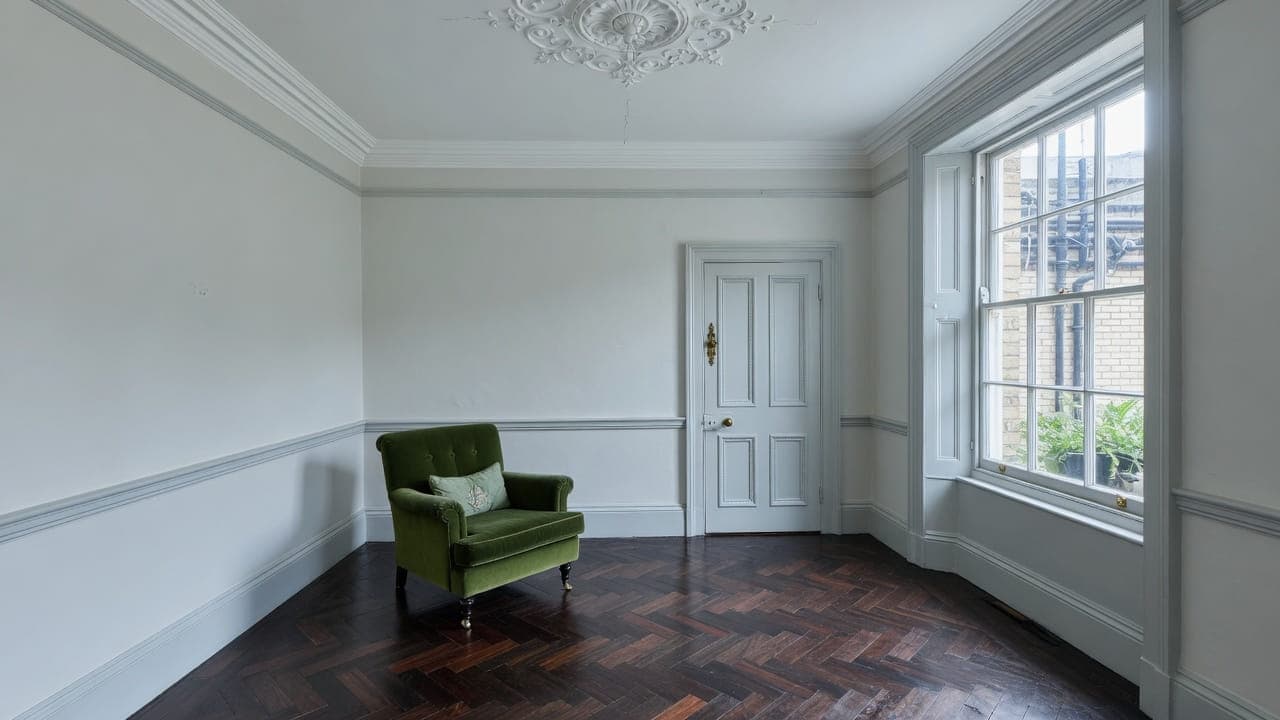
Because the Trust's interest is in the outside, Suburb instructions are often whole interiors. The recurring question is joinery: doors, stair strings and deep window boards that were stained or oiled and never painted. Deciding to paint them is a one-way choice, and we put that in writing before a brush is loaded. Cottage rooms are low and small-windowed, so the joinery finish, more than the wall colour, sets how the room reads.
The full inclusion list is on the painting and decorating in North West London page.
How a decorating programme runs
Visit, written proposal, then the rooms in order. In Hampstead Garden Suburb that order has to absorb trust interiors and London Borough of Barnet process. We do not start from photographs.
- 01
Survey and specification
- 02
Programme for an occupied home
- 03
Preparation
- 04
Decoration
- 05
Joinery and details
- 06
Snag and clean
A Hampstead Garden Suburb decorating programme, stage by stage
The steps above are the method. Below is what those steps mean in Hampstead Garden Suburb NW11, in the order they happen on site. Durations are written after the room is measured, not before.
- 01
Separate internal from external
Interior decoration proceeds without Trust or planning involvement in most cases. Anything external is established, and consented, on its own timetable, so an internal programme is not held up by an external question. - 02
Protection, including original floors
Floors, stairs and any original material in or near the rooms are covered for the duration. In these houses the protection is more thorough rather than less, and the route from the door is included. - 03
Preparation and joinery taken back where it justifies it
Walls washed and stabilised, failed material removed, and original joinery prepared by hand with taking-back done as a distinct operation. Sanding dust is extracted at the tool. - 04
Coats, room by room
Ceilings, walls and joinery in sequence with drying respected, each room restored before the next is opened, and the staircase treated as its own phase in a larger house. - 05
Daylight inspection, finishing with the joinery
The house walked with you in daylight, ending with the doors, ironmongery and stairs. Touch-in happens at that visit and the protection comes up last.
What moves the figure on a Hampstead Garden Suburb decorate
We do not publish a price list, and we do not price from photographs. These are the things that move the figure in Hampstead Garden Suburb.
01
Cottage or larger house
The Suburb spans two very different scales of programme, and the schedule follows the house rather than the postcode. Which you have is the first thing the survey settles and the largest factor in the figure.02
Whether original joinery is taken back
Preparing and overcoating is quick; taking good original joinery back to a sound base recovers the profile and is slow, careful work. It is the decision that most changes a Suburb interior and it is priced honestly per element.03
Whether external work is in scope
External decoration brings scaffolding, weather dependency, Barnet's planning position and the Trust's consent process. It is quoted separately so it can be decided on its own merits and its own timetable.04
Careful working on a close
Boarding routes, restricted standing positions and avoiding planted verges cost time on a programme where a crew arrives daily. It is a real and predictable feature of working here and it is named in the proposal.
Staying in the house while Hampstead Garden Suburb rooms are decorated
Suburb houses decorate around a household well. Even the cottages usually have somewhere to work from, and the larger houses have enough separation that one room being worked barely registers elsewhere. We work room by room, restore each before opening the next, and keep the kitchen, a bathroom and a bedroom usable throughout. In a larger house the staircase is treated as its own concentrated phase.
The neighbourhood is quiet in a way that makes noise carry. Houses sit in composed groups around greens and sanding is audible across a close rather than just next door. We name those days, work Barnet's ordinary hours, and tell the immediate neighbours beforehand. We also keep vehicles off shared frontages at the times people are coming and going, which matters more here than on an ordinary street.
How decorating in Hampstead Garden Suburb disappoints, and what prevents it
The assumption that causes most trouble here is that repainting an external surface in a different colour is a decorating decision. It is not: the external appearance of these houses is controlled by Barnet planning, by a long-standing Article 4 direction and separately by the Trust under its own Scheme of Management, and even a previously painted surface can need written consent. It is checked before external work is quoted, not after a scaffold is up.
The second is overcoating original joinery until the detail has gone. Arts and Crafts doors and architraves were made with profiles worth seeing, and each redecoration fills them a little further. Taking the principal elements back to a sound base recovers something the house was designed with and is slow, careful work. We recommend it element by element rather than for the whole house, and we say where the detail is already beyond recovery.
The third is parking or standing on a green. Planted verges and shared frontages will not take a vehicle daily for a fortnight, and damage to a green is a Trust conversation that outlasts the decorating considerably. A standing position is agreed at the survey, anything material crosses is boarded, and vehicles are kept clear of shared frontages when people are coming and going.
Handover, touch-in and the year after in Hampstead Garden Suburb
The house is walked with you in daylight, finishing with the joinery and the ironmongery, because in a Suburb house the joinery is what the decorate is judged on. Where original material was worked around or taken back, we show you what was done and what was left. The snag list is ours and touch-in is done at that visit. You receive a record of systems, sheens and colour references per room. Hampstead Property Services Group Limited is fully insured.
Hand-built houses move more than machine-made ones, and a hairline at a joint or an architrave after the first heating season is the building rather than the work. Where joinery was taken back, a look after a season allows any adjustment to be made while the work is fresh. We return for both as one visit. Telephone 020 7101 3168 or write to office@hpsg.co.uk.
Arrange a visit or telephone 020 7101 3168.
Painting and decorating questions in Hampstead Garden Suburb
We do not publish a price list for painting and decorating in Hampstead Garden Suburb. Suburb decorating is Arts and Crafts interiors under Trust and Barnet rules; exterior colour is not a chart decision. Addresses sit with London Borough of Barnet. We visit from Unit 3 Palace Court, 250 Finchley Road, London NW3 6DN, then write a proposal against a defined scope. 020 7101 3168.
Internal painting and decorating within existing rooms in Hampstead Garden Suburb NW11 often does not need planning permission. London Borough of Barnet still controls extract, windows and elevations where conservation, listing or Article 4 apply. We check the address. We do not assume permitted development.
A Hampstead Garden Suburb flat can be a matter of days or a small number of weeks depending on prep. A family house, occupied, takes longer because we work around you. Trust interiors in Hampstead Garden Suburb NW11 shape the programme. The written programme follows the survey.
Occupied decorating in Hampstead Garden Suburb is ordinary. Rooms are sequenced so a kitchen, a bathroom and a bedroom stay usable where the programme allows. We will say so plainly at survey.
In 1967. An Article 4 direction has been in force since the 1970s.
Because the joinery differs more than the floor area does. A house that has kept its original doors, stairs and window boards carries far more preparation than one refitted more recently, and a stained finish being taken to paint is more work again. There is no price list to quote from. We look at the house, settle what is in and what is out, and put the proposal in writing against that scope.
That is your decision, but it should be made knowing it does not reverse easily. Stripping paint back off original stained joinery is slow, uncertain, and rarely gives back the surface you had. If you want to try painted joinery, we would suggest one room first, and living with it before the rest of the house follows.
Yes. Occupied sequencing is ordinary in cottage rooms and in the larger free-standing houses. Rooms come back in turn so the household can still cook and sleep. Closes and greens are not loading bays; deliveries are planned with the household rather than left on the grass.
An emptied room, sometimes, where the method is cleaner. Furnished cottage joinery — stained doors, window boards, a boxed stair — is brush and roller. Spray around original fabric in a low, small-windowed room is rarely the cleaner method.
Where later internal plaster would show through a finish, lining is named at survey. Cottage rooms and larger houses both carry later alterations behind an elevation that has been held still. Lining is not a way of skipping honest filling, and it is not added on the day.
Both. Because the Trust's interest is the outside, instructions are often whole interiors. A single room is a bounded instruction, and it is also how we would trial painted joinery before the rest of the house follows. The quote follows the rooms named.
No. The Trust's Scheme of Management, Barnet's planning and the Article 4 direction are all concerned with the appearance of the property and its setting — what the street, the green and the close can see. Interior decoration is entirely yours and you may choose whatever colours you like. The line is crossed only by work visible from outside, and we separate the two instructions at the survey so an internal programme is never held up by an external question.
On good Arts and Crafts joinery, often yes, and it is the decision that most changes a Suburb interior. Decades of coating soften the profile and fill the detail until a well-made door reads as flat. Taking it back to a sound base recovers something that cannot be bought and is slow, careful work priced accordingly. We give a view element by element rather than recommending it for a whole house.
Somewhere agreed at the survey rather than found each morning. Greens, planted verges and shared frontages are not parking, and a surface that takes one vehicle once may not take one daily for a fortnight. We establish a workable standing position, board anything that equipment crosses, and keep vehicles clear of shared frontages when people are coming and going. It matters more here than on an ordinary street.
Not at all. The Suburb runs from modest cottages with small rooms and simple joinery to substantial houses with generous proportions, staircases and considerable original detail. What is consistent is the outside, which is the point of the place. We survey and specify the actual house rather than working from an idea of what a Suburb interior looks like, and the two scales are not priced from the same assumptions.
Yes, and these houses suit it. We work one room at a time, restore each before opening the next, and keep the kitchen, a bathroom and somewhere to sleep usable throughout. In a larger house the staircase is the disruptive part and we concentrate it into a defined phase. In a cottage the work is more present simply because the house is smaller, and we are honest about that at the survey.
On good Arts and Crafts joinery, often yes, and it is the decision that most changes a Suburb interior. Decades of coating soften the profile until a well-made door reads as flat, and taking it back to a sound base recovers something that cannot be bought. It is slow work priced accordingly. We give a view element by element rather than recommending it for the whole house.
Somewhere agreed at the survey rather than found each morning. Greens, planted verges and shared frontages are not parking, and a surface that takes one vehicle once may not take one daily for a fortnight. We establish a workable standing position, board anything that equipment crosses, and keep vehicles clear of shared frontages when people are coming and going. It matters more here than on an ordinary street.