Hampstead NW3
Painting and decorating in Hampstead, NW3
Hampstead decorating is preparation on original fabric: lime plaster, village sashes, and occupied houses that cannot be emptied for a spray shop. Addresses sit with London Borough of Camden. We visit from Unit 3 Palace Court, 250 Finchley Road, London NW3 6DN; we do not quote from photographs.
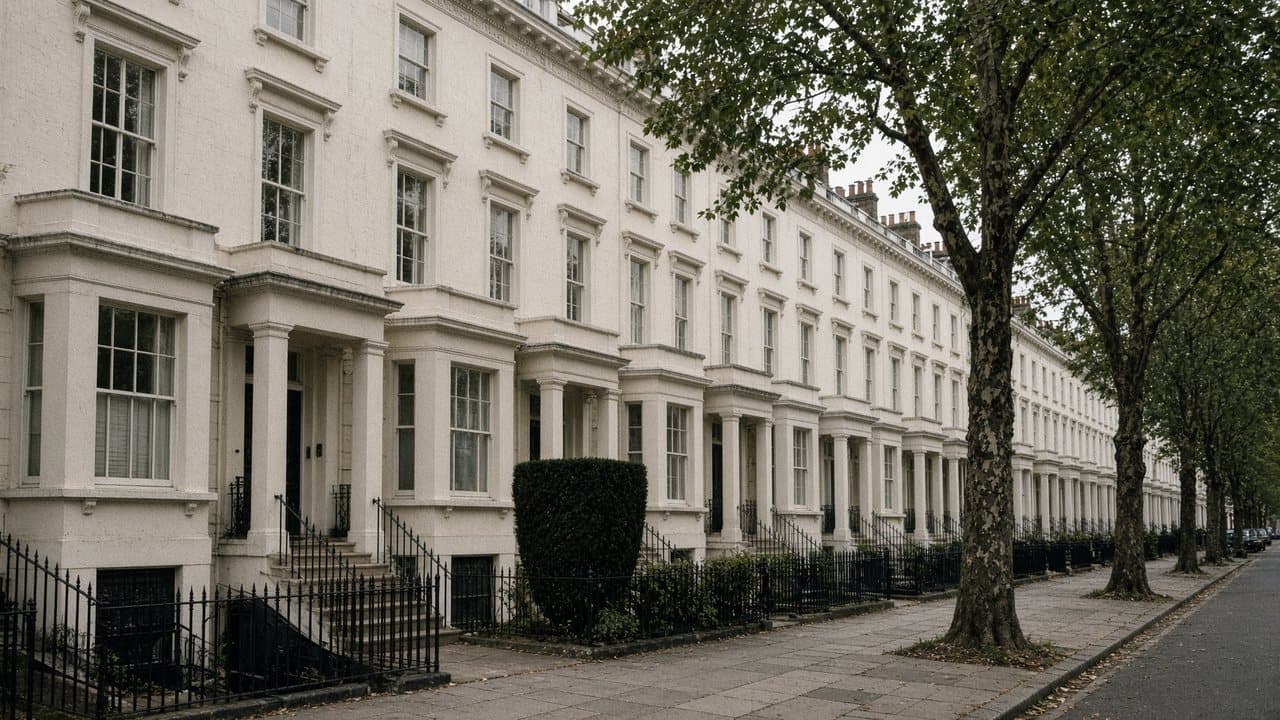
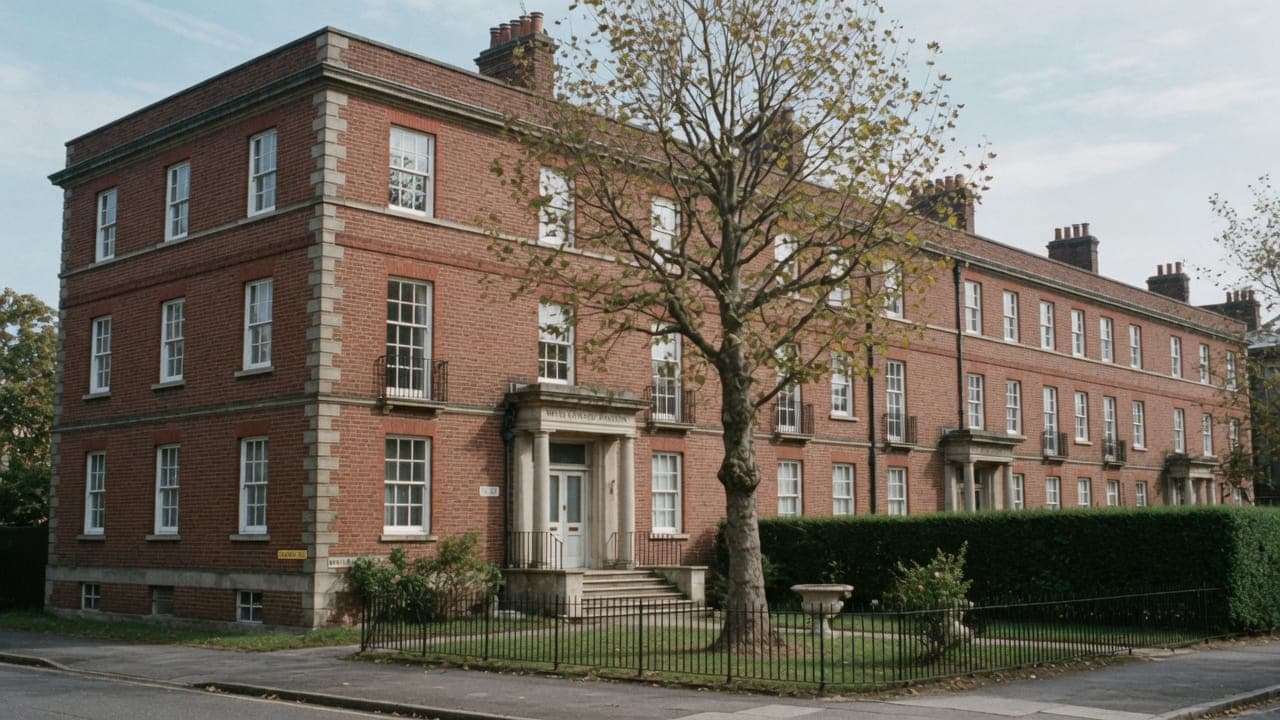
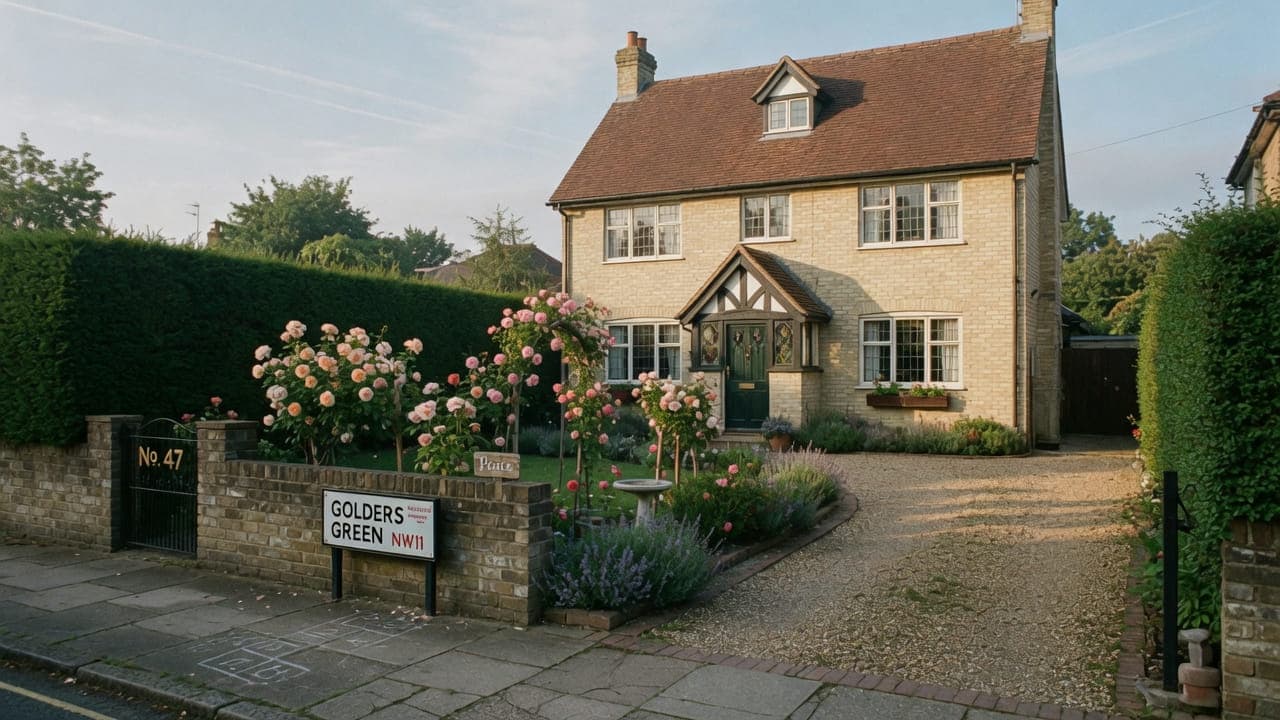
Hampstead (NW3) is Camden. The village core around Heath Street and the High Street is Georgian and early-Victorian houses, later stucco villas, and mansion blocks on the busier approaches. Converted houses supply many of the flats. Original joinery, lime plaster and floors that have moved are the norm. Larger family houses sit toward the Heath and along Frognal; we decorate the rooms as they stand, not as a vacant new-build.
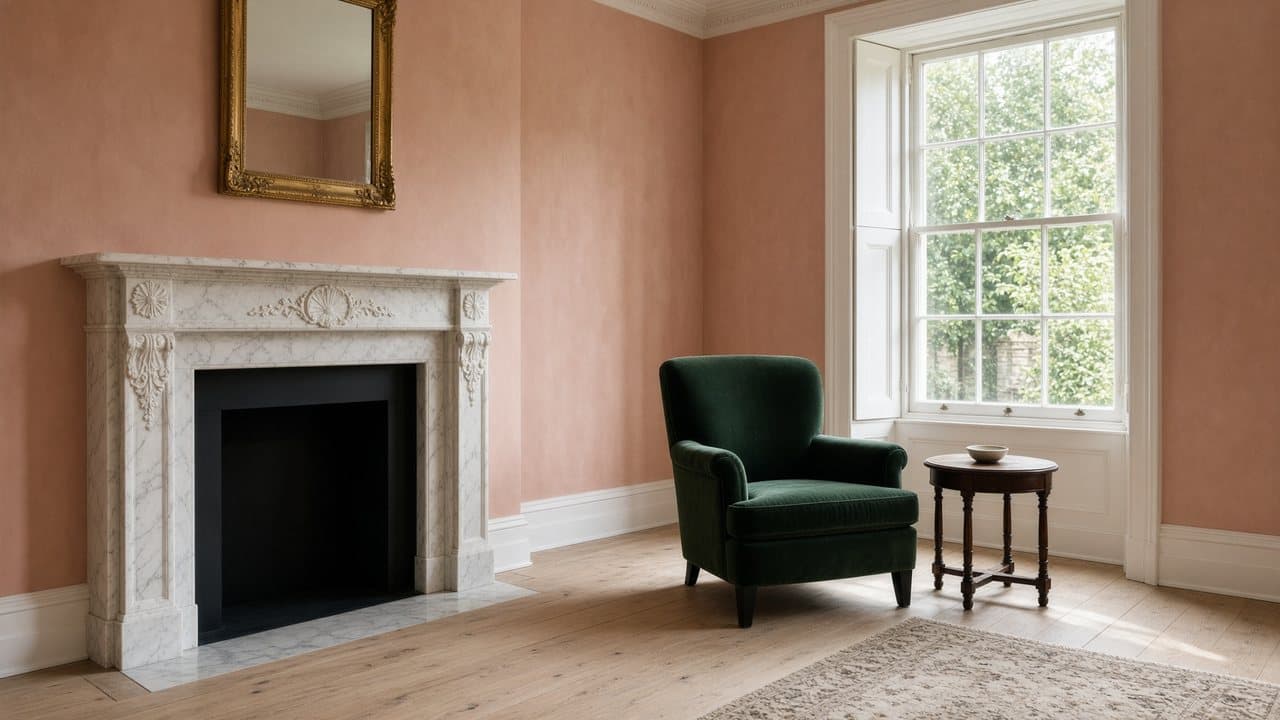
The decorating fabric here is rarely a gypsum box. Lime plaster, hairline movement at chimney breasts, and original sashes decide the specification before a colour is chosen. North-facing village rooms and Heath-edge light do not read the same emulsion as a showroom. We sample on the wall in the room. Occupied houses are the default; a village interior cannot usually be emptied for a spray shop.
Hampstead Property Services Group Limited (company no. 17404557) carries out this work in Hampstead from Unit 3 Palace Court, 250 Finchley Road, London NW3 6DN.
See also painting and decorating in North West London and kitchens, bathrooms and decorating in Hampstead.
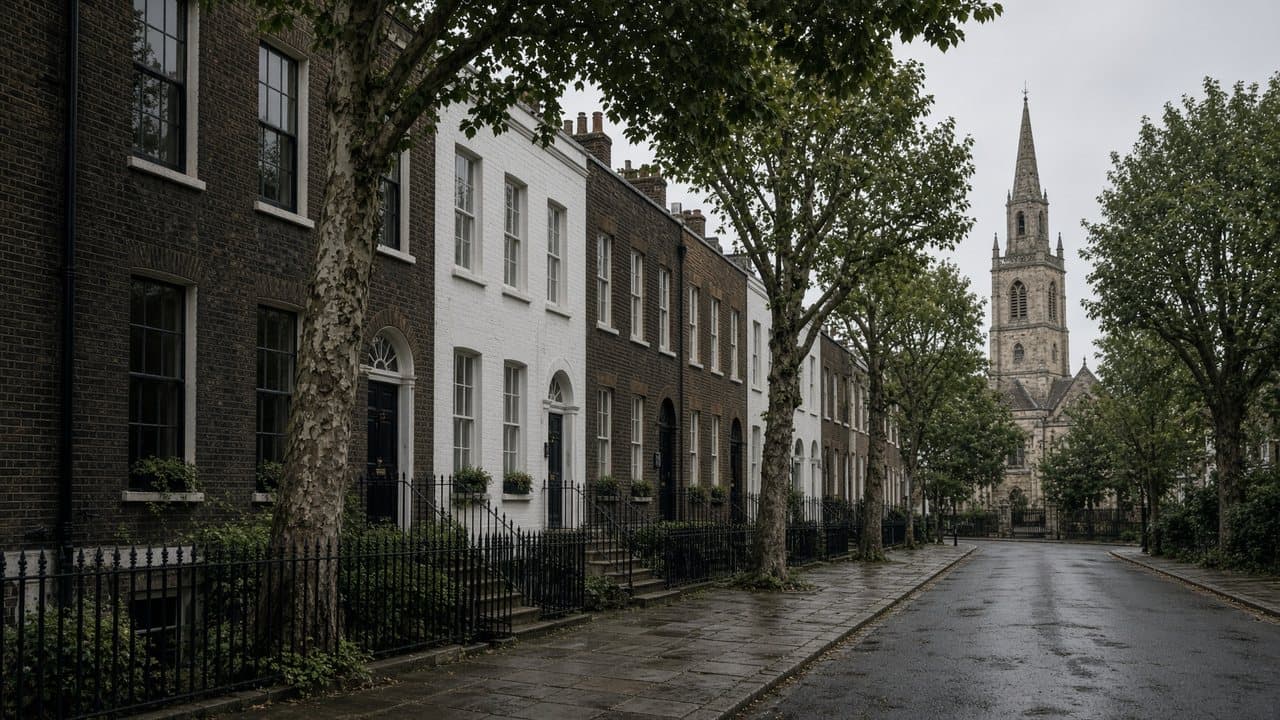
Hampstead, NW3
Who painting and decorating in Hampstead is for
Painting and decorating in Hampstead, NW3, is for occupied village houses and for flats carved out of them, under the London Borough of Camden. The core around Heath Street and the High Street is Georgian and early-Victorian fabric; later stucco villas and mansion blocks sit on the busier approaches. Larger family houses toward the Heath and along Frognal are the same lime-and-joinery problem at a bigger scale. Empty is unusual. A village interior is rarely cleared for a spray shop.
Occupied houses, sashes and original joinery in Hampstead
Typical instructions are whole-flat decoration in conversions, principal rooms in village houses, and original sashes priced as joinery rather than as a cut-in. Lime plaster that has moved will telegraph through a thin fill; lining paper is specified where that movement would show, not slipped in on the day. High rooms toward Frognal need access written into the programme. Occupied sequencing — a kitchen, a bathroom and a bedroom kept usable — is the working assumption unless the house is empty.
What a visit settles before decorating starts in Hampstead
A visit is a measuring exercise, not a sales call. These are the things we settle in Hampstead before a figure is written.
01
What the walls are made of
A village house can have lime plaster, gypsum patches from the 1980s, and a skim over both, all within one room. We test in inconspicuous places rather than assuming, because lime and gypsum want different treatment and a modern acrylic applied over lime as a default is how a wall starts shedding. The findings decide the system before a colour is discussed.02
What is already on the wall
Previous coatings of unknown type are the ordinary Hampstead problem. Distemper, an oil-bound paint, or a vinyl over something that never wanted one all behave differently when you wash or sand them. We test adhesion in a small area at the survey, because a coating that lifts is a preparation job rather than a painting one.03
Whether movement will telegraph
Floors that have moved, walls that have settled and ceilings with historic cracking will show through paint within a year unless they are dealt with. We look for the pattern of cracking rather than the individual crack, and we say where lining is genuinely warranted and where filling and a proper system will do.04
The joinery, treated as joinery
Original sashes, shutters, panelled doors and architraves are surveyed for condition, not just for coating. Failed cords, a loose staff bead, perished putty or a rotten sill are not paint items, and we say so before the room is masked rather than painting over a problem that will reappear.05
How the household will keep using the house
Most village decorating is done around people. We establish which rooms must stay in use, where children and pets are, and what can be moved into storage, because the sequence is built from that rather than from the order the rooms appear on a plan.
What has to be right before decorating in Hampstead
01
Lime plaster behind later gypsum
Village walls are rarely one background. Lime, hairline movement at chimney breasts, and later gypsum patches on the same plane will telegraph through a modern film applied too soon. Ordinary vinyl emulsion is not the default on lime that still needs to breathe. We test small areas rather than guess, and we will not coat failed plaster as a finish.02
One floor of an occupied house
Village work is normally taken a floor at a time, with the household still in the other rooms. Materials come up a lane in small loads. The shared hall of a converted house is not a store. Keeping cooking, washing and sleeping possible on the other floor is the working assumption, and it stretches the calendar.
Local facts that shape decorating in Hampstead
Checkable facts that shape painting and decorating in Hampstead NW3 — housing, council and the room as found.
- 01Hampstead decorating is preparation on original fabric: lime plaster, village sashes, and occupied houses that cannot be emptied for a spray shop.
- 02Ordinary emulsion is not the default on lime. The coating follows the substrate.
- 03Camden's Hampstead Conservation Area and listed interiors around the village bite when coatings, windows or external joinery change.
- 04Colour is sampled on the wall in village light. A north-facing room off Heath Street and a Heath-edge drawing room do not read the same emulsion.
- 05Hampstead Underground is 58.5 metres down; decorating materials still arrive on lanes that were not drawn for a spray van.
- 06Sash windows are priced as joinery. Failed cords and putty are not a paint item.
Painters and decorators in Hampstead: prep, conservation and occupied homes
London Borough of Camden
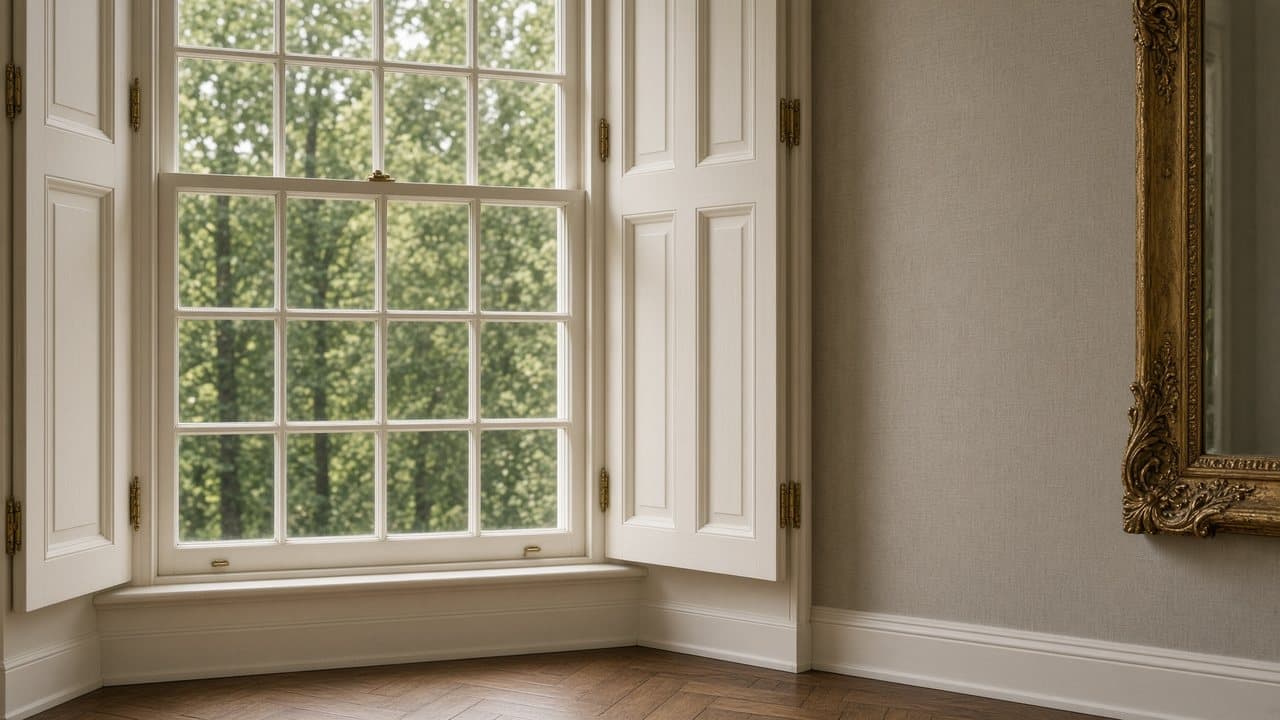
- Hampstead Heath
- Hampstead High Street
- Burgh House
- Hampstead Underground station
How decorating is specified in Hampstead
The specification is written after a room-by-room survey of substrates, previous coatings, damp staining and joinery. Lime and gypsum are not treated as the same wall. Prep standard, product type, number of coats and sheen are written down. Colour is sampled on the wall in Hampstead light, not chosen from a card in a different room.
Coatings, sheens and joinery systems in Hampstead
The system is chosen to suit the substrate rather than the colour card. Where lime plaster is in play we specify a breathable system rather than trapping moisture behind an impermeable film, and where a previous oil-based coating is sound we prepare and overcoat it properly rather than pretending it is not there. This is written into the proposal as a specification, so what is on the wall in ten years is a decision somebody made rather than an accident.
Hampstead light is worth taking seriously. Village rooms are often deep with one or two sashes, and the light is cool and directional for much of the year. A colour chosen under a showroom spotlight can read quite differently at four in the afternoon in a room facing a lane. We paint samples on the wall itself, large enough to judge, and leave them through a day rather than asking you to decide from a card.
Sheen is specified per element rather than per house. Ceilings in a matt that will not flash across an uneven period surface, walls in a finish that can be cleaned without burnishing, and joinery in an eggshell or satin that suits the room and the wear it takes. A high sheen on an old door shows every ripple in the timber, which is a decision worth taking consciously rather than by default.
What a typical decorating instruction includes
Village work is normally taken a floor at a time: the walls and ceilings of one or two principal rooms, the panelled doors, shutters and window boards that came with them, and the deep skirtings behind furniture that has not moved in years. The joinery decides the job. A panelled door in a village house can carry decades of coating, and whether it is rubbed down and re-coated or taken further back is settled at survey, not on the first morning.
The full inclusion list is on the painting and decorating in North West London page.
How a decorating programme runs
The lead-in here is mostly checking and access. Listing and, in a converted house, the freeholder's rules are confirmed before dates are offered, and the drop point is agreed with a vehicle that fits the lane, which usually means smaller loads more often. Joinery is settled early, because a door taken back to bare timber changes both the drying time and the order of the rooms. Where an elevation is in scope, the inside is completed first and the outside waits on a licence and a weather window.
- 01
Survey and specification
- 02
Programme for an occupied home
- 03
Preparation
- 04
Decoration
- 05
Joinery and details
- 06
Snag and clean
A Hampstead decorating programme, stage by stage
The steps above are the method. Below is what those steps mean in Hampstead NW3, in the order they happen on site. Durations are written after the room is measured, not before.
- 01
Protection, and the route through the house
Floors, stairs and anything staying in the room are covered before a tin is opened. In a village conversion the shared hall goes on that list too. This takes a morning and it is what makes an occupied decorate tolerable. - 02
Washing down and stripping back
Surfaces are washed, failed material is taken off, and any coating that lifts is removed rather than painted over. This is the unglamorous majority of the work and the reason a properly decorated room still looks right in five years. - 03
Filling, joinery and making good
Cracks are cut out and filled rather than smeared, joinery is repaired or reported, and lining is hung where movement would otherwise telegraph. Dust from sanding is extracted at the tool rather than swept up afterwards. - 04
Coats, in the right order
Ceilings, then walls, then joinery, with drying times respected rather than compressed. In a cool period house with limited ventilation, drying takes longer than the tin suggests, and rushing it is how a finish stays soft and marks. - 05
Reinstatement and inspection
Furniture back, fittings rehung, floors cleaned, and the room inspected with you in daylight. Touch-in is done at that visit rather than left for a later call, and the protection comes up last.
What moves the figure on a Hampstead decorate
We do not publish a price list, and we do not price from photographs. These are the things that move the figure in Hampstead.
01
How much preparation the walls need
Sound walls take a wash and a fill. Walls with a failing coating, live cracking or a lime substrate under a modern film need stripping, stabilising or lining, and that is where most of the labour in a period house actually goes. It is established at the survey rather than discovered on day three.02
How much joinery is in scope
Sashes, shutters, panelled doors and architraves take far longer than the wall area suggests, because each one is prepared, filled and cut in by hand. A room with six-panel doors and working shutters is a different figure from the same room without them.03
Ceiling height and access
A tall village room needs towers or platforms, and every operation overhead is slower from one. It is priced openly. It also changes the sequence, because overhead work is done before the room fills again.04
Whether the house stays occupied
An empty house can be worked continuously and can take spray where it suits. An occupied one means moving and re-covering every day, shorter working faces and more protection. Both are ordinary; they are not the same figure.
Staying in the house while Hampstead rooms are decorated
Most Hampstead decorating happens around a household that stays, and the difference between a tolerable fortnight and a miserable one is sequencing. We keep a kitchen, a bathroom and a bedroom usable wherever the programme allows, work room by room rather than opening the whole house at once, and put furniture back at the end of a room rather than leaving a house in pieces for a month. Dust is extracted at the tool during sanding rather than dealt with afterwards.
Smell and drying are the parts people underestimate. Water-based systems have largely replaced the worst of it, but a period house with sash windows that do not open freely and limited ventilation holds solvent and moisture longer than a modern flat. We plan ventilation as part of the programme, keep bedrooms out of the wet phase where we can, and tell you honestly which nights a room will not be pleasant to sleep in.
How decorating in Hampstead disappoints, and what prevents it
The failure that wastes the most money in a village house is a modern impermeable coating applied over lime plaster. It looks right for a season, then traps moisture behind the film and the wall begins to blister and shed from underneath. Stripping it off again is slower and more expensive than specifying correctly in the first place, which is why the substrate is tested at the survey rather than assumed from the room's appearance.
The second is painting over a coating that has already lost adhesion. New paint does not fix old paint: it adds weight to something that is letting go, and the whole area comes away in sheets within a year. Adhesion is tested in small areas at the survey so the extent of stripping is known and priced, rather than discovered on the second morning with the room already masked.
The third is treating original joinery as wall area. Sashes, shutters and panelled doors take far longer than the square metres suggest, and where the cords have failed, the putty has perished or a sill has gone soft, paint hides the problem for two years and no longer. Those are joinery items, identified and reported before the room is masked rather than coated over.
Handover, touch-in and the year after in Hampstead
We walk the rooms with you in daylight rather than under artificial light, because that is where a missed cut line or a patch of uneven sheen shows. The snag list is ours to write, and touch-in is done at that visit. You receive a record of what was used where — the systems, the sheens and the colour references — so that a future repair matches rather than approximates. Hampstead Property Services Group Limited is fully insured.
Period walls settle after they are decorated, particularly where filling has gone into live cracking or where a room has been stripped back for the first time in decades. A hairline reappearing at a ceiling junction in the first winter is the building rather than the paint. We would rather come back and deal with it than have you look at it. Telephone 020 7101 3168 or write to office@hpsg.co.uk.
Arrange a visit or telephone 020 7101 3168.
Painting and decorating questions in Hampstead
We do not publish a price list for painting and decorating in Hampstead. Hampstead decorating is preparation on original fabric: lime plaster, village sashes, and occupied houses that cannot be emptied for a spray shop. Addresses sit with London Borough of Camden. We visit from Unit 3 Palace Court, 250 Finchley Road, London NW3 6DN, then write a proposal against a defined scope. 020 7101 3168.
Internal painting and decorating within existing rooms in Hampstead NW3 often does not need planning permission. London Borough of Camden still controls extract, windows and elevations where conservation, listing or Article 4 apply. We check the address. We do not assume permitted development.
A Hampstead flat can be a matter of days or a small number of weeks depending on prep. A family house, occupied, takes longer because we work around you. Lime plaster and sashes in Hampstead NW3 shape the programme. The written programme follows the survey.
Occupied decorating in Hampstead is ordinary. Rooms are sequenced so a kitchen, a bathroom and a bedroom stay usable where the programme allows. We will say so plainly at survey.
Not as a default. The coating follows the substrate. We will not put a modern film over lime that needs to breathe, and we will not pretend a later gypsum patch is the same wall.
Empty rooms, sometimes. Occupied original joinery, usually brush and roller. The method is chosen per room, not as a house slogan.
They are timed. Village lanes are not loading bays. The survey records the vehicle and the drop point.
Charts are a starting point. Samples are painted on the wall, in village light. A north-facing room off Heath Street and a Heath-edge drawing room do not read the same emulsion.
The programme is written after the survey, because the variables here are large. Stripping and rebuilding a paint finish on original doors and shutters takes far longer than coating sound joinery. Lime plaster that needs repair adds days before anything is coated. Working around a household, and carrying materials up a lane in small loads, both stretch the calendar rather than the labour.
Not the shared hall, unless the freeholder has agreed it in writing. Village conversions rarely have spare space, so materials are held in the room being worked on and kept to what that room can take without becoming a store. Where a listed or original stair is the only route, protection for it is written into the method before anything is carried up.
Not as a default. The coating follows the substrate. Lime that still needs to breathe does not take a modern vinyl film, and a later gypsum patch on the same wall is not the same specification. We test small areas rather than guess, and we write the system down before any product is ordered.
Empty rooms, sometimes, where masking is clean. Occupied original joinery — shutters, panelled doors, sashes — is brush and roller. A village interior cannot usually be emptied for a spray shop, and Heath Street lanes are not loading bays for that kind of set-up.
Yes. A single principal room with shutters and cornice is joinery and lime plaster at height. A floor adds the landing, the occupied sequence, and materials carried up a lane in small loads. We write the rooms that are in, and we do not assume the house can be emptied.
A considerable one. Lime works by allowing moisture to move through it, and putting a modern impermeable coating over it traps that moisture behind the film, which is how you get blistering, shedding and a wall that looks worse each year. We test what the substrate actually is at the survey — there is often lime and gypsum in the same room — and specify a system that suits each. It is written into the proposal rather than decided on site.
No, and anyone who says otherwise is selling you a repeat of the same problem. Where a coating has lost adhesion it has to come off back to something sound, and the area around it stabilised, before anything new goes on. We test adhesion at the survey so the extent is known rather than guessed. That preparation is the majority of the work in an old Hampstead room, and it is where a properly specified decorate differs from a cheap one.
In empty rooms where it suits the work, and rarely in occupied village houses. Spray gives a superb finish on joinery and large flat areas, but it requires everything else to be masked comprehensively, which is impractical in a house full of furniture and people. We specify it per room rather than per house and say which method is being used where, so nobody is surprised by either the finish or the preparation it demands.
Usable the same day in most cases, fully cured considerably later. A water-based wall finish is touch-dry quickly but takes weeks to reach full hardness, which is why we advise against scrubbing a new wall or pushing furniture hard against it for the first month. In a cool period house with poor ventilation, drying between coats also takes longer than the tin states, and we programme for that rather than rushing it.
Yes, and a single drawing room with original joinery is a perfectly ordinary instruction. The preparation specification is written the same way whether it is one room or eight, because the substrate does not care about the size of the job. What changes with a bigger programme is the sequencing around the household. We would rather do one room properly than four quickly.
By testing rather than by preference. Where a coating is sound and compatible, preparing and overcoating is the sensible answer and we would say so. Where adhesion has failed, where a modern film sits over lime, or where accumulated paint has buried a good original profile, taking it back is the right call. We test at the survey, say which applies where, and put it in the proposal as a decision rather than a discovery.
Closely, in most cases, and honestly about the limits. A sound sample cut from a hidden area can be matched well by a good merchant, but a colour that has aged on the wall for fifteen years is not the colour it was mixed as, so matching to the wall and matching to the original formula give different results. We would explain which you are getting rather than promise an exact match.
We move and cover furniture as part of the work, and the method is agreed at the survey. Genuinely valuable, fragile or very heavy pieces are better moved by a specialist and we would say so rather than attempt it. Fitted floor coverings are protected rather than lifted unless lifting them is part of the instruction. Nothing is pushed into a corner under a sheet and called protection.
That depends on the preparation far more than the paint. A room stripped back where it needed it, filled properly, with the right system for the substrate, will look right for many years in a bedroom and fewer in a hall that takes daily traffic. A cheap emulsion over unresolved defects can look tired within a year. We would rather quote the preparation honestly than the coats cheaply.